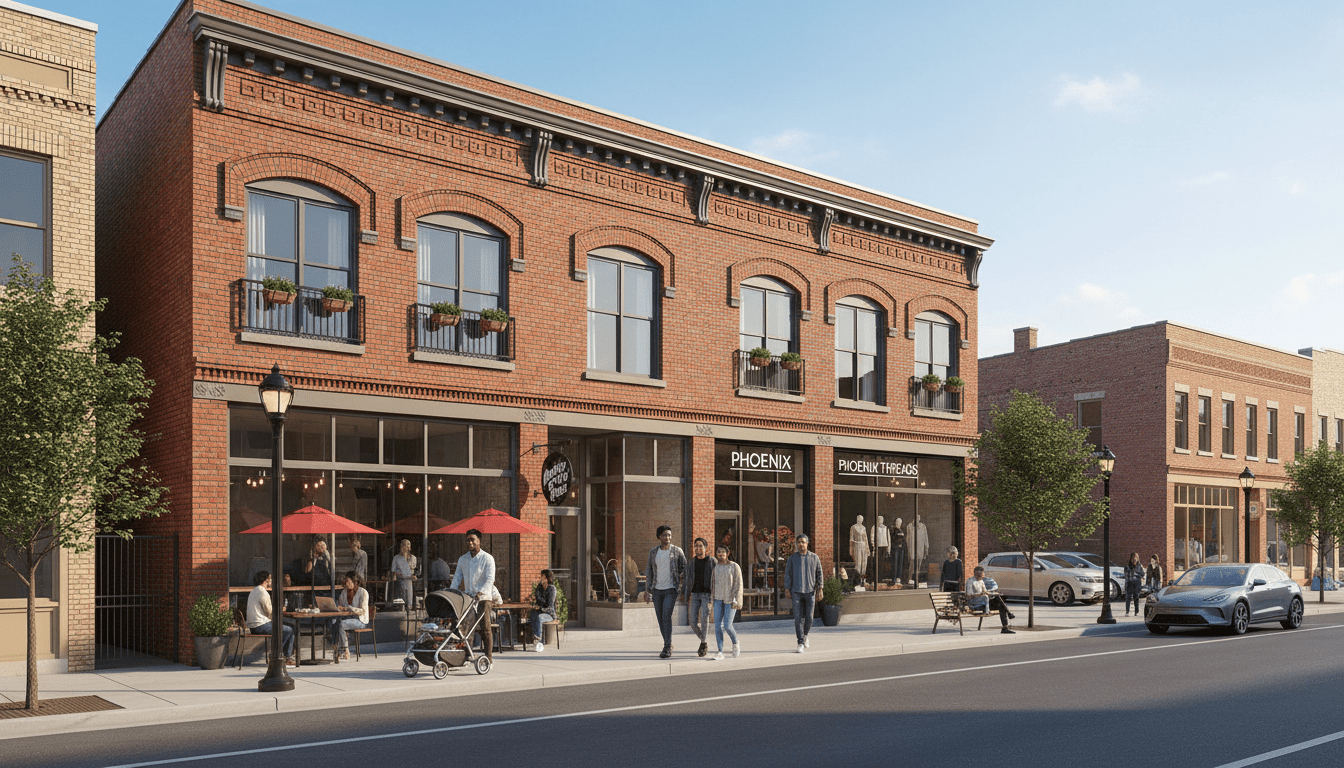
The narrative surrounding Detroit’s property market has undergone a significant transformation over the last decade. Once defined by speculative buying of distressed assets, the landscape for Detroit commercial real estate investment is stabilizing, driven by a strategic push toward neighborhood revitalization and adaptive reuse projects. According to recent data from local economic development agencies, the most successful investors in 2024 are those moving beyond the downtown core to capitalize on the city’s designated commercial corridors.
While the headlines often focus on mega-projects like the Hudson’s site or the Michigan Central Station innovation district, a quieter, yet robust economy is emerging in neighborhoods like the Avenue of Fashion, Corktown, and Southwest Detroit. For investors looking to enter the market, the strategy has shifted from short-term flips to long-term community integration and rigorous property management.
The Shift to Neighborhood Commercial Properties
Data from the Detroit Economic Growth Corporation (DEGC) indicates a rising demand for mixed-use developments—buildings that combine ground-floor retail with residential units above. This trend aligns with the city’s “20-minute neighborhood” initiative, which aims to provide residents with access to goods and services within a short walk or ride from their homes.
“The days of buying a vacant shell and waiting for the market to catch up are largely over,” said a representative from a Detroit-based commercial brokerage firm. “To successfully invest in Detroit commercial properties today requires a development mindset. Capital is flowing toward projects that activate the street level and serve the immediate community.”
This shift is partly fueled by the Strategic Neighborhood Fund, a partnership between the City of Detroit and private donors, which has directed millions of dollars into streetscape improvements and commercial corridor development. Investors who align their acquisitions with these targeted zones often find greater support from local planning authorities and community development financial institutions (CDFIs).
Navigating Zoning and Historic Preservation
For those seeking investment tips grounded in current market realities, understanding Detroit’s specific zoning overlays is critical. Many of the city’s most attractive commercial structures are located within historic districts. While this offers the potential for tax credits, it also imposes strict renovation guidelines.
According to the City of Detroit’s Planning and Development Department, navigating the entitlement process requires patience and local expertise. Successful investors are increasingly partnering with local architects and legal experts who specialize in Detroit’s historic compliance. Ignoring these regulatory frameworks has been a primary cause of stalled projects for out-of-state investment groups.
Furthermore, the cost of construction remains a significant factor. With labor and material shortages impacting the Midwest, the “pro forma” financials for commercial renovations must account for contingencies that were less critical five years ago. Financial analysts suggest that investors prioritize buildings with solid structural integrity to mitigate the risks associated with ground-up construction.
The Critical Role of Property Management
One of the most overlooked aspects of Detroit commercial real estate investment is the operational phase. Unlike turnkey markets, Detroit often requires hands-on property management. Absentee ownership has historically led to blight, a cycle the city is aggressively combatting through stricter code enforcement and higher fines for non-compliance.
“Local presence is non-negotiable,” says a senior analyst at a regional real estate consultancy. “The investors realizing the highest returns are those who engage professional, Detroit-based management teams. These teams understand the nuances of the local tenant base, the seasonality of maintenance in Michigan winters, and the importance of maintaining strong relationships with neighborhood associations.”
Effective management also extends to tenant curation. In the current economic climate, landlords who curate a mix of resilient local businesses—such as grocery stores, healthcare providers, and service-based retailers—are seeing lower vacancy rates compared to those relying solely on traditional office tenants.
Impact on Detroit Residents
The influx of capital into commercial properties has a direct impact on long-time Detroiters. When executed responsibly, commercial investment brings blight removal, job creation, and amenity access to underserved neighborhoods. The revitalization of corridors like Livernois and West McNichols serves as a case study for how commercial density can improve the quality of life without necessarily displacing residents.
However, concerns regarding gentrification and affordability persist. Community benefits agreements and requirements for affordable housing components in mixed-use developments are becoming standard topics of discussion during the approval process. Investors are increasingly expected to engage with community advisory councils to ensure their projects align with the neighborhood’s cultural and economic needs.
Local business owners have noted that responsive landlords who invest in building infrastructure contribute to the overall stability of the business ecosystem. Local business owners in the West Village have cited improved building management as a key factor in their ability to remain open and expand operations.
Future Outlook and Investment Data
Looking ahead, the Detroit market shows signs of continued maturation. The upcoming completion of the Gordie Howe International Bridge is expected to bolster industrial and logistics-related commercial real estate in Southwest Detroit and the Delray neighborhood. Additionally, the stabilization of population numbers in the city for the first time in decades provides a stronger base for retail demand.
According to data from the City of Detroit, the issuance of building permits for commercial renovations has remained steady despite high interest rates, signaling sustained investor confidence. Cap rates in Detroit generally remain higher than in coastal markets, offering attractive yield spreads for investors willing to navigate the complexities of an emerging market.
For the astute investor, the path to success in Detroit lies in a blend of financial discipline, regulatory knowledge, and genuine community engagement. As the market moves away from speculation toward stabilization, the opportunities for sustainable growth in the commercial sector appear robust.