As Detroit approaches the 2026 academic year, the city’s educational landscape is undergoing a significant transformation driven by infrastructure investment, curriculum reforms, and expanded access to post-secondary resources. For families and students navigating the Detroit education system, understanding the evolving options—from early childhood initiatives to workforce development—is critical for making informed decisions.
The upcoming school year represents a pivotal moment for the Detroit Public Schools Community District (DPSCD) and the broader network of charter and private institutions serving the city. Following years of strategic planning and the implementation of a $700 million facility master plan, 2026 is projected to see the completion of several key renovation projects and the launch of new specialized learning hubs designed to bridge the gap between classroom theory and career readiness.
The 2026 Outlook for DPSCD and Charter Networks
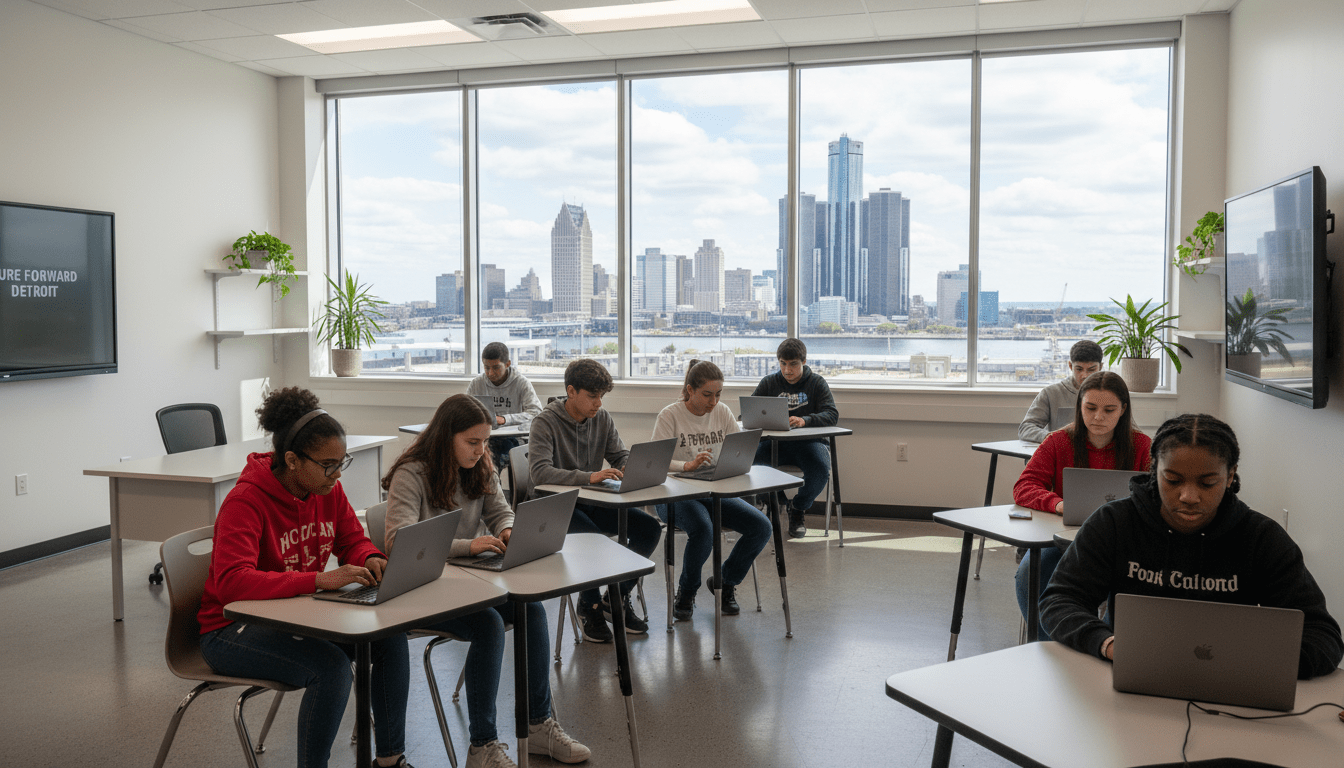
The core of Detroit education remains the DPSCD, which has been aggressively pursuing a strategy to stabilize enrollment and improve facility conditions. According to recent reports from the district, the 2025-2026 school year will feature enhanced programming in Career and Technical Education (CTE), a move aimed at aligning student skills with the demands of the modern Michigan economy.
“The goal is to ensure that every student graduating in Detroit has a clear pathway, whether that is university, a trade certification, or immediate entrepreneurship,” stated district representatives in recent board meetings regarding the long-term strategic plan. The expansion of CTE hubs is expected to provide robust resources in fields such as advanced manufacturing, healthcare, and information technology.
Beyond the public district, Detroit’s charter school ecosystem continues to offer alternative models. Data from the Michigan Department of Education suggests that while enrollment numbers have fluctuated, charter options focusing on STEM and arts integration remain popular choices for local families. The competitive landscape has forced both public and charter entities to invest more heavily in extracurricular resources and student support services to retain families within the city limits.
Impact on Detroit Residents
For parents and guardians, the changes arriving in 2026 translate to more distinct choices but also require more navigation. The consolidation of underutilized buildings and the renovation of historic structures mean that school assignment boundaries and transportation routes may shift. Residents should consult the Detroit Public Schools Community District official portal for the most up-to-date zoning information.
Furthermore, the focus on holistic education is impacting how resources are distributed. New family resource centers are being integrated into school buildings to provide wraparound services, including mental health support and adult literacy programs. This community-hub model is designed to treat the school not just as a place for students, but as an anchor for neighborhood stability.
Local community organizations emphasize that these resources are vital for closing the achievement gap. “It is not just about textbooks anymore; it is about ensuring the family unit has the stability to support the student’s learning journey,” noted a program director at a local Detroit non-profit focused on youth development.
Higher Education and The Detroit Promise
One of the most significant assets for Detroit education remains the Detroit Promise, a tuition-free college program administered by the Detroit Regional Chamber. Moving into 2026, the program continues to evolve, offering last-dollar scholarships to any eligible student graduating from a high school in Detroit.
The program has expanded its support systems to improve college retention rates, acknowledging that access to funding is only the first hurdle. Partnerships with local institutions like Wayne State University and Henry Ford College have strengthened, providing coaches and academic advisors specifically for Detroit Promise scholars.
For students eyeing the 2026-2027 collegiate year, understanding the eligibility requirements early is essential. The program currently covers tuition and mandatory fees for associate degrees at participating community colleges and offers funding pathways for four-year degrees at partner universities. This resource remains a cornerstone of the city’s strategy to increase the percentage of residents with post-secondary credentials.
Background & Data on Academic Performance
Analyzing the trajectory of Detroit education requires looking at the data. Reports from the Center for Educational Performance and Information (CEPI) indicate a slow but steady recovery in graduation rates post-pandemic. However, challenges in chronic absenteeism persist, a metric that city officials and school leaders are targeting aggressively through 2026.
Literacy rates also remain a primary focus. Following the “Right to Literacy” lawsuit settlement, the state has directed additional funding toward literacy coaches and evidence-based reading interventions. Early assessments suggest that these interventions are beginning to yield positive results in lower elementary grades, though sustained effort is required to see these gains translate to middle and high school proficiency.
For more reporting on local infrastructure projects that impact school commutes, read our coverage on Detroit transportation developments. Additionally, the economic shifts driving the need for new CTE programs are detailed in our analysis of the local Detroit economy.
What Happens Next
As 2026 progresses, the focus will shift toward the execution of the facility master plan and the measurable outcomes of the new curriculum standards. Parents should anticipate increased communication from schools regarding enrollment periods, which are expected to open earlier to accommodate the shifting landscape of school choice.
The city is also likely to see increased collaboration between the business sector and educational institutions. With major developments in the electric vehicle sector and green technology within Southeast Michigan, curriculum adjustments are expected to mirror these industry trends, ensuring that the Detroit education pipeline produces a workforce ready for the jobs of the future.