Detroit’s reputation as a global music capital is moving beyond historical nostalgia and entering a new phase of physical and economic development. From the ambitious expansion of the Motown Museum on West Grand Boulevard to the preservation of underground techno landmarks, the city is leveraging its sonic heritage to drive neighborhood revitalization and international tourism.
While the automotive industry often dominates headlines regarding the local economy, city planners and private investors are increasingly recognizing the Detroit music legacy as a sustainable economic engine. Current projects aim to transform historic sites into active community hubs, bridging the gap between the city’s storied past and its future growth.
Motown Museum Expansion Anchors Cultural Redevelopment
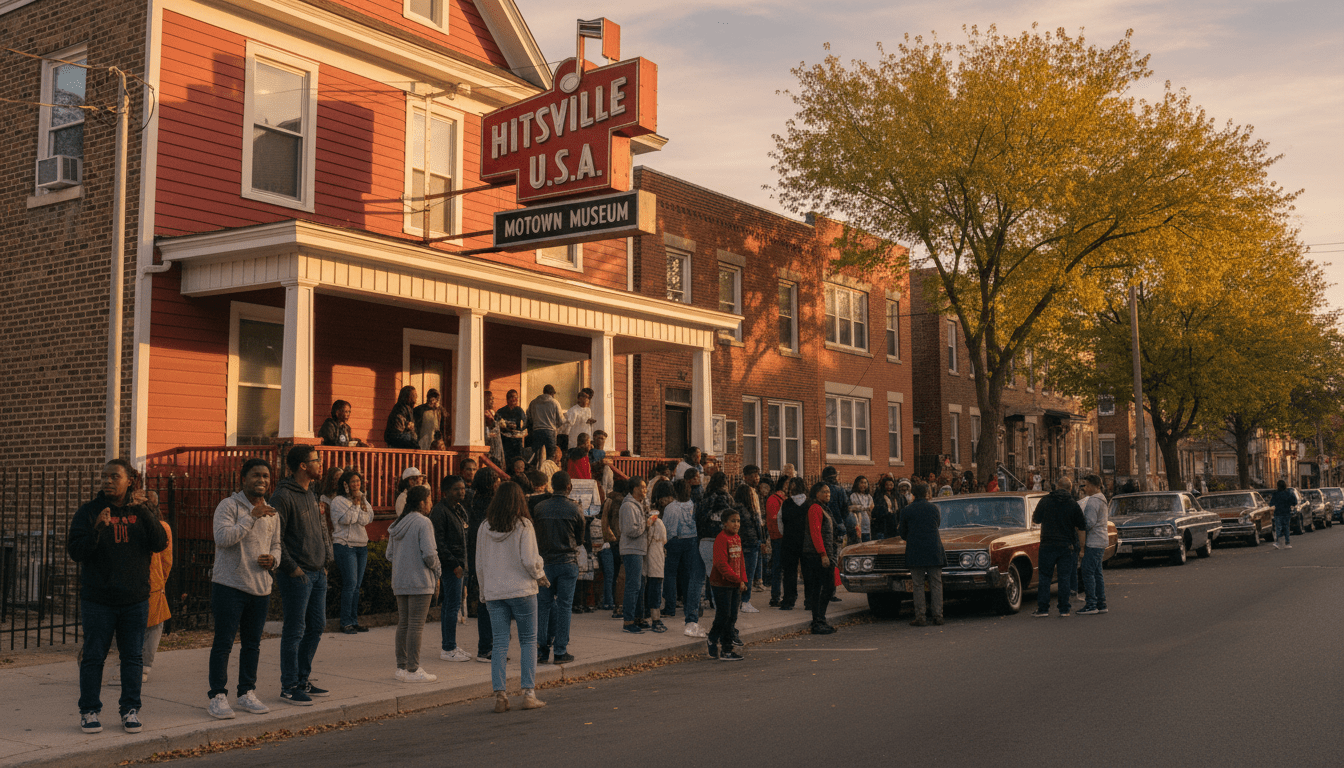
The centerpiece of this cultural resurgence is the ongoing expansion of the Motown Museum, colloquially known as Hitsville U.S.A. The museum is currently in the final stages of a $65 million expansion campaign designed to transform the modest house where Berry Gordy Jr. built an empire into a 50,000-square-foot world-class entertainment and education destination.
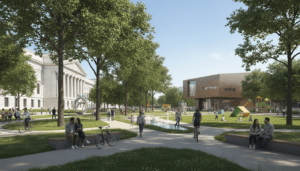
According to updates released by the Motown Museum, the expansion includes a newly constructed plaza, immersive interactive exhibits, and a dedicated performance theater. The project is not merely a tourist attraction; it represents a significant infrastructure investment in the Northwest Goldberg neighborhood.
“This is about more than preserving history; it is about inspiring the next generation of creatives here in Detroit,” museum officials have stated in recent development updates. The project has attracted support from major philanthropic organizations and the State of Michigan, highlighting the consensus that cultural assets are vital to the region’s broader economic strategy.
For more on how infrastructure projects are reshaping local districts, read our coverage on major Detroit development projects impacting the city center and surrounding areas.
Beyond Motown: Techno and Jazz Preservation
While Motown remains the most visible brand, Detroit’s contributions to electronic music and jazz are also receiving renewed attention from preservationists and city officials. Detroit is the birthplace of techno, a genre that generates significant tourism revenue during the annual Movement Music Festival.
Local advocacy groups are working to ensure that the physical spaces associated with electronic music history are protected. This includes the Exhibit 3000 museum housed within the Submerge building, which serves as a headquarters for the Underground Resistance collective. Unlike the polished tourism of downtown, these sites offer a raw, authentic look at how Detroit artists revolutionized global music culture from industrial spaces.
Furthermore, the legacy of the Paradise Valley entertainment district is being revisited in current urban planning discussions. Although much of the original infrastructure was lost to highway construction decades ago, new initiatives seek to honor this jazz heritage through historical markers and designated cultural corridors.
Impact on Detroit Residents
For residents living in neighborhoods adjacent to these cultural landmarks, the renewed focus on the Detroit music legacy brings both opportunities and challenges. The immediate impact is visible in the stabilization of property values and the influx of new small businesses catering to visitors.
The expansion of the Motown Museum, for instance, has spurred streetscape improvements along West Grand Boulevard. Residents benefit from enhanced lighting, better sidewalks, and increased city services in the corridor. Additionally, the construction and subsequent operation of these expanded facilities create jobs, prioritizing local hiring initiatives.
However, community leaders emphasize that development must remain inclusive. Local business owners have expressed the need for grants and support to ensure long-standing residents can participate in the economic boom associated with cultural tourism. The goal, according to neighborhood associations, is to prevent displacement while welcoming investment.
“It is vital that the people who kept the culture alive during the hard times are the ones who benefit from the renaissance,” said a representative from a local community block club during a recent district meeting.
For insights into how other neighborhoods are navigating these changes, see our report on Detroit neighborhoods and housing trends.
Background & Data: The Economics of Culture
The push to capitalize on Detroit’s music history is supported by data regarding the creative economy. Detroit holds the distinction of being the first city in the United States to be designated a UNESCO City of Design. This designation recognizes the city’s design heritage, which is intrinsically linked to its musical innovation—from the engineering of acoustics to the graphic design of album covers.
Data from the U.S. Bureau of Economic Analysis and state-level reports indicate that the arts and culture sector contributes billions annually to Michigan’s economy. In Detroit specifically, cultural tourism is a primary driver for hotel occupancy and restaurant revenue.
According to the Michigan Economic Development Corporation (MEDC), investments in “placemaking”—creating quality public spaces centered around local culture—are essential for retaining talent. Young professionals increasingly choose cities based on cultural vibrancy, making the preservation of Detroit’s musical landmarks a key demographic retention strategy.
What Happens Next
Looking ahead, the city is expected to see the completion of the Motown Museum expansion, which aims to become one of the state’s top tourism draws. Simultaneously, discussions continue regarding the preservation of the United Sound Systems Recording Studios, a site of immense historical importance that has faced threats from freeway expansion projects in the past.
City planners are also exploring ways to better connect these dispersed cultural sites through improved transit and signage, creating a cohesive “music trail” for visitors. As these projects move from planning to reality, the Detroit music legacy will continue to serve as a foundational pillar for the city’s ongoing revitalization.