The landscape of the Detroit brewery industry is undergoing a significant transformation, shifting from a period of rapid expansion to a phase of strategic maturation and neighborhood integration. As the city continues its broader economic recovery, local breweries are increasingly positioning themselves not just as manufacturers of craft beer, but as essential community anchors that drive foot traffic and stimulate local development.
For decades, Detroit has held a storied place in the history of American beer, dating back to the height of the Stroh Brewery Company. Today, however, the narrative is being written by a diverse array of independent operators who are leveraging the taproom model to revitalize commercial corridors in neighborhoods ranging from Corktown to the Milwaukee Junction. According to data from the Michigan Brewers Guild, the craft beer industry contributes significantly to the state’s economy, and Detroit is playing an increasingly pivotal role in those figures.
The Shift from Saturation to Sustainability
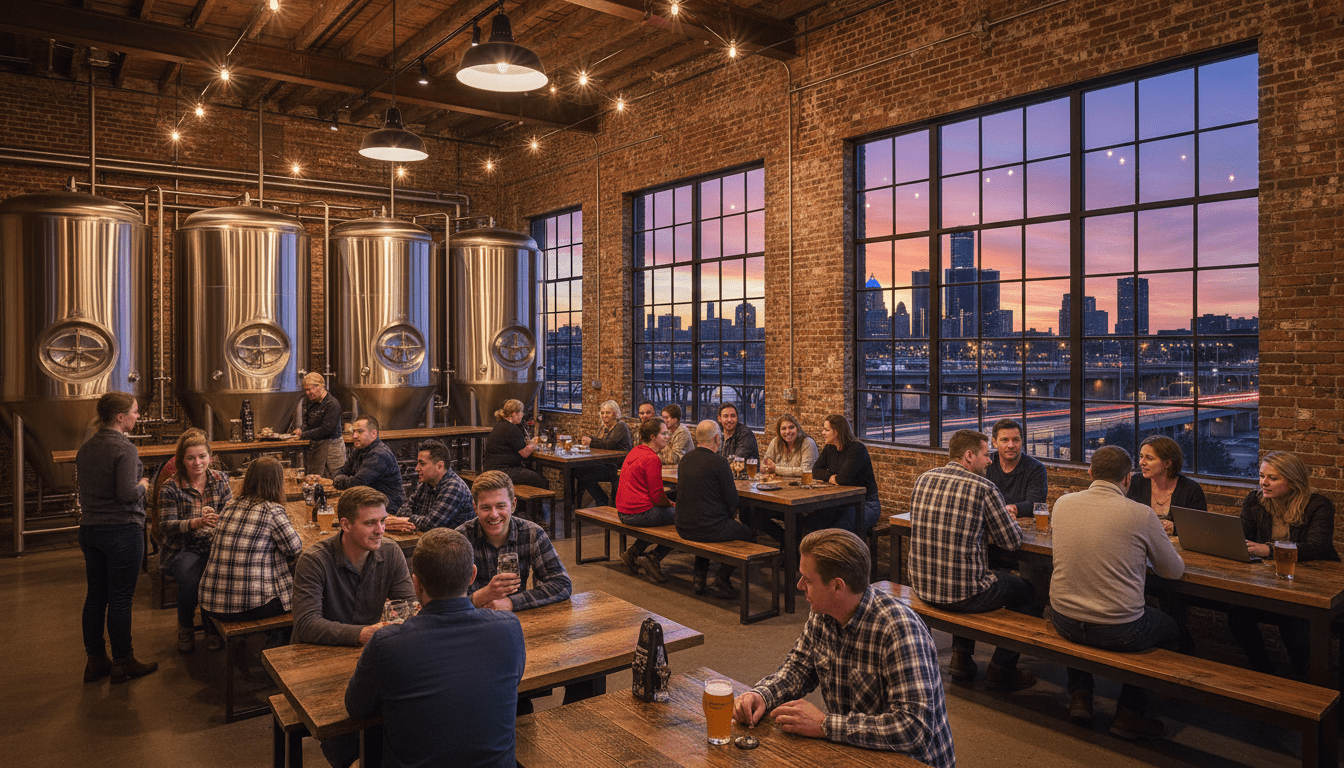
Industry analysts have noted a change in the trajectory of the Detroit brewery market. While the explosion of craft beer in the 2010s saw a rush of new openings, the current climate is defined by sustainability and deepening community roots. Rather than seeking city-wide dominance, newer establishments are focusing on serving specific zip codes, creating a “third place” for residents—a social environment separate from home and the workplace.
Local urban planners suggest that this hyper-local focus is beneficial for the city’s infrastructure. By converting repurposed industrial spaces into hospitality venues, brewers are actively reducing blight and increasing property values in surrounding areas. This trend aligns with broader efforts seen in our coverage of Detroit development projects, where adaptive reuse is key to sustainable growth.
Economic Impact on Detroit Residents
The proliferation of breweries in Detroit has tangible economic implications for local residents beyond simply having a place to socialize. The hospitality-manufacturing hybrid model requires a diverse workforce, ranging from front-of-house staff to brewers, cellar operators, and sales representatives. This creates a spectrum of employment opportunities within the city limits.
Furthermore, the presence of a successful Detroit brewery often acts as a catalyst for other small businesses. Economic development officials have observed a “halo effect,” where the opening of a taproom leads to increased foot traffic, subsequently attracting food trucks, retail shops, and eventually permanent restaurants to the same block. This ecosystem is vital for neighborhoods striving to build dense, walkable commercial districts.
However, the industry is not without its challenges. Inflationary pressures on raw materials—specifically malt and hops—and rising utility costs have forced many business owners to adjust their pricing structures. Despite these headwinds, demand remains resilient, driven by both locals and a recovering tourism sector.
Data and Trends: The Numbers Behind the Brews
Statistics from national trade groups illustrate the broader context of this local movement. The Brewers Association reports that while the overall volume of craft beer sales nationally has seen slower growth rates compared to the boom years, the on-premise sales at taprooms have remained a bright spot. This national trend is mirrored in Detroit, where the direct-to-consumer model allows breweries to retain higher margins and weather supply chain volatility better than those reliant solely on distribution.
In terms of tourism, the “beer traveler” demographic remains a lucrative target for the city. Visit Detroit and other tourism agencies have highlighted the brewery trail as a key itinerary item for visitors. This influx of out-of-town spending helps circulate capital into the Detroit economy, supporting not just the breweries but the hospitality sector at large.
Neighborhood Spotlights and Community Integration
The impact of the industry is visible across several distinct Detroit neighborhoods. In Corktown, breweries have long served as staples of the revitalization effort, drawing crowds before and after sporting events. In Eastern Market, the synergy between food production and brewing creates a unique industrial-tourism vibe that peaks during weekend market days. Meanwhile, areas like Midtown and the Cass Corridor continue to use these venues as gathering spaces for the academic and medical communities residing nearby.
These establishments frequently partner with local non-profits and community organizations, hosting fundraisers and community meetings. This civic engagement cements the status of the Detroit brewery as a civic institution rather than just a bar, fostering a sense of ownership among neighbors.
What Happens Next for Detroit Beer
Looking ahead, the forecast for the Detroit brewing scene emphasizes quality over quantity. The market is becoming more competitive, requiring operators to differentiate themselves through unique product offerings, such as experimental fermentation techniques or locally sourced ingredients, and superior customer experiences.
We can also expect to see further collaboration between the city’s breweries and the agricultural sector of Michigan. As the state ranks high nationally for hop production, the farm-to-glass movement is likely to deepen, reducing carbon footprints and strengthening the intrastate supply chain.
For Detroit residents, the maturation of the local beer scene promises continued access to high-quality community spaces and steady service industry jobs. As the city evolves, its breweries are proving to be resilient fixtures capable of adapting to economic shifts while keeping the spirit of Detroit innovation alive.