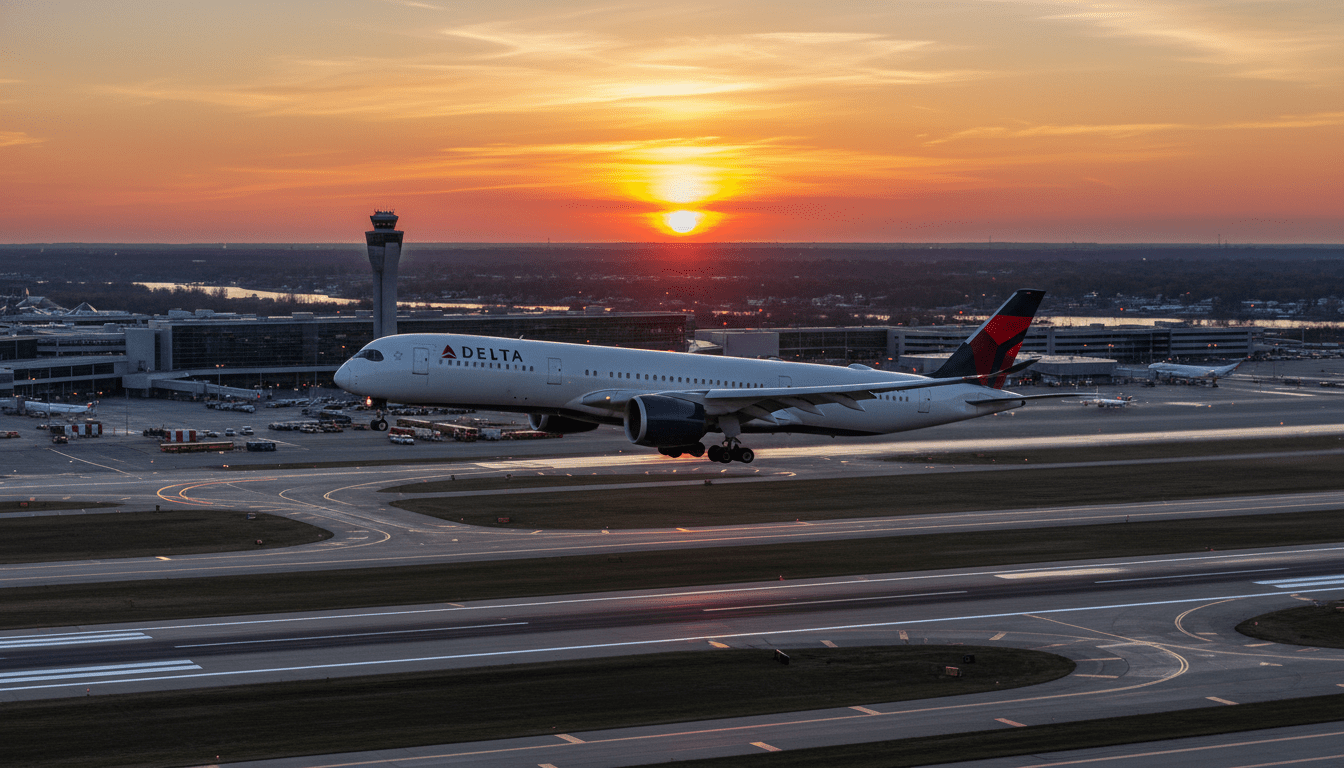
Detroit Metropolitan Wayne County Airport (DTW) has recently faced a series of operational challenges that have brought the complexities of air traffic management to the forefront for local travelers. For many residents of Southeast Michigan, the phrase “flight diversion Detroit” has become a familiar term as regional weather patterns and national air traffic control constraints necessitate sudden shifts in flight paths. As one of the primary hubs for Delta Air Lines and a critical gateway for international travel, any disruption at DTW ripples through the local economy and impacts thousands of daily commuters and business travelers.
Navigating the Complexities of DTW Operations
According to the Wayne County Airport Authority (WCAA), the management of flight diversions is a highly coordinated effort involving airline dispatchers, federal regulators, and local ground crews. A flight diversion in Detroit typically occurs when aircraft intended for other regional airports are rerouted to DTW due to its expansive runway capacity and de-icing capabilities, or conversely, when DTW-bound flights are sent to neighboring facilities like Grand Rapids or Cleveland. These shifts often happen with little warning, leaving passengers to navigate a complex web of logistics. Recent data suggests that while DTW remains one of the most efficient airports in North America, seasonal volatility remains a significant factor in operational consistency.
The sheer scale of operations at DTW is staggering. Serving as a major link between the Midwest and global markets, the airport handles over 30 million passengers annually. When airline disruptions occur, the logistics of re-routing crews and managing passenger re-bookings become a massive undertaking. Recent infrastructure updates on Detroit transportation infrastructure have aimed to alleviate ground congestion, but the airside challenges remain subject to the whims of Midwestern weather and federal staffing levels.
Impact on Detroit Residents and Travelers
For Detroit residents, the impact of these disruptions extends beyond the terminal walls. When a flight diversion Detroit event happens, the local hospitality and ground transportation sectors often see a sudden, unplanned surge in demand. Local hotels in Romulus and the surrounding metropolitan area frequently operate at near-capacity during major weather events that force flight cancellations or rerouting. Furthermore, the reliance on DTW for business travel means that delays can stall local commercial activity, affecting everything from manufacturing supply chains to corporate headquarters located in the downtown corridor.
Local travelers have expressed frustration with the unpredictability of recent schedules. “A one-hour delay often turns into a four-hour ordeal once you factor in gate availability and crew timing out,” noted a frequent business traveler from Royal Oak. This sentiment underscores the reality that airport operations do not exist in a vacuum; they are deeply intertwined with the local business climate and the daily lives of residents who depend on the airport for both work and leisure.
Analyzing the Root Causes of Diversions
Data from the Bureau of Transportation Statistics indicates that weather remains the primary driver of airline disruptions in the Great Lakes region. However, a growing secondary factor is the shortage of air traffic controllers. The Federal Aviation Administration (FAA) has acknowledged that staffing shortages at key regional centers can lead to “ground stops” or “ground delay programs,” which often result in a flight diversion Detroit arrival or departure being postponed. These procedural delays are implemented to ensure safety, but they create a bottleneck that can take days to fully resolve.
Moreover, the mechanical health of aging fleets can occasionally lead to emergency diversions. DTW’s status as a major maintenance hub makes it a preferred diversion point for aircraft experiencing minor technical issues over the Midwest. While this speaks to the high level of technical expertise available at the Detroit facility, it also adds to the congestion that local passengers must navigate during peak travel hours.
Economic Significance of DTW Reliability
The economic footprint of Detroit Metropolitan Airport is estimated to be in the billions of dollars annually. Beyond passenger travel, the facility is a vital hub for cargo, supporting the region’s automotive and healthcare sectors. When airline disruptions occur, the “just-in-time” manufacturing processes that define much of Michigan’s industry are put at risk. A delayed cargo flight can mean a work stoppage at a plant, demonstrating how critical the airport’s reliability is to the broader regional economy. The WCAA continues to invest in technology that improves runway visibility and aircraft de-icing efficiency, aiming to reduce the frequency of weather-related diversions.
Future Outlook: Infrastructure and Efficiency
Looking ahead, the future of travel in Detroit involves significant investments in both technology and physical infrastructure. The WCAA is currently overseeing several multi-year projects aimed at modernizing taxiways and improving the passenger experience within the McNamara and Evans Terminals. These improvements are designed not just for comfort, but to ensure that the airport can better handle the stress of unexpected flight diversions in Detroit without systemic breakdowns.
Industry analysts suggest that as airlines continue to optimize their schedules and the FAA works to bolster its staffing ranks, the frequency of these disruptions may stabilize. However, for the foreseeable future, Detroit travelers are encouraged to remain vigilant, utilize real-time tracking apps, and understand the logistical hurdles that the airport authority faces daily. As Detroit continues its broader economic resurgence, the efficiency of its primary airport will remain a cornerstone of its connection to the global stage.