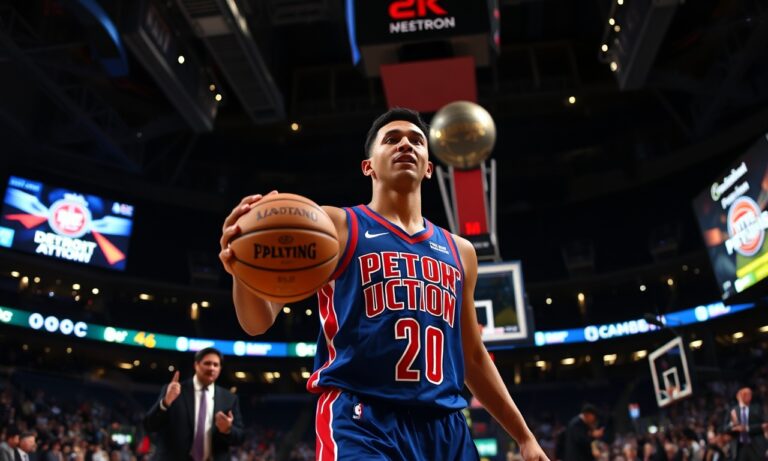
The Detroit Pistons are reportedly closing the door on a potential roster addition after a 3-time All-Star rumor surfaced alongside an urgent need to address the frontcourt rotation. Multiple reports indicate the team has moved toward plans for an NBA injury replacement, with attention focused on Jalen Duren replacement possibilities as the Pistons manage availability concerns in the middle of the season.
While the Pistons have not publicly confirmed every rumor component, the direction of travel is clear: Detroit is trying to protect playing time and maintain competitiveness in the paint, especially as opponents prepare for a rotation that depends heavily on physicality, rim protection, and offensive rebounds.
What the latest Pistons report says about the 3-time All-Star rumor
According to coverage cited by ESPN, the Pistons’ interest in a specific established veteran has been curtailed, with the team reportedly choosing not to proceed after the situation “shut down.” ESPN’s reporting described a narrowing window for that outcome and emphasized that the Pistons’ focus is on the roster fit they can realistically obtain quickly.
Separately, roster-management reporting discussed by The Athletic points to a common league-wide theme: when teams move midseason, they balance immediate need with contract structure, practice availability, and how quickly a player can integrate into defensive schemes. In Detroit’s case, the reported decision aligns with the practical realities of an NBA injury replacement—teams cannot simply fill minutes; they have to restore spacing, foul discipline, and transition defense.
For Pistons fans, the key takeaway is that the 3-time All-Star rumor has not materialized into a transaction, at least not in the form that had been discussed. Instead, the Pistons appear to be pivoting toward options they can secure with fewer uncertainties.
How the Jalen Duren replacement fits the Pistons’ immediate needs
Detroit’s rumored pivot centers on the Jalen Duren replacement question—how the team addresses the responsibilities Duren typically carries. When a starting-caliber center is limited, the ripple effects are often felt across the roster: help defense near the rim, box-out rebounding assignments, and the way teams attack matchups in half court sets.
In general, injury replacements require more than raw size. According to analysis and team-building guidance regularly referenced by NBA beat writers, a successful short-term center addition must communicate effectively on rotations, handle pick-and-roll coverage, and avoid excessive fouls that can collapse second-unit minutes.
Detroit’s reported stance suggests the Pistons are trying to prevent a prolonged downgrade in interior defense, particularly against teams that thrive on second chances and rim pressure. A rotation that loses elite rim protection can force guards into longer closeouts, which can create easier driving lanes and more paint touches for opponents.
Local context: why a frontcourt move matters for Detroit basketball
In Detroit, basketball has become a major part of the city’s sports calendar, with attention from families, schools, and local media beyond the downtown core. Changes to the roster often influence community engagement—think ticket demand, youth-camp participation, and how coaches tailor development priorities for the next wave of players.
When the Pistons shift their center plan, the effect is felt in the way the team practices and how fans perceive the direction of the season. A midseason adjustment signals that Detroit is aiming to remain competitive while still assessing longer-term roster construction.
Impact on Detroit Residents
Even though NBA roster moves occur on the court, they can have real knock-on effects for Detroit sports news readers and local businesses that rely on game-day activity. When the Pistons announce a change, ticket availability and viewing plans can adjust quickly—especially for households that plan around specific opponents and weekend home stands.
There’s also a broader economic angle. While NBA teams operate within national media cycles, Detroit’s game nights contribute to neighborhood foot traffic. Restaurants near venues and bars along common transit routes often see measurable increases tied to home schedules. A midseason shift that influences competitiveness can affect attendance patterns, which in turn can influence staffing needs for local hospitality partners.
Detroit-based sports and community organizations frequently track fan engagement metrics, and a more stable rotation typically helps keep local attendance steady. In that sense, a Jalen Duren replacement plan is not just a basketball decision—it’s part of maintaining the rhythm of Detroit’s winter entertainment economy.
Background & Data: midseason injury replacement dynamics
In the NBA, injury replacements can be constrained by roster rules, timelines, and the availability of players who can pass medical and fitness testing quickly. According to the NBA’s published collective bargaining materials and standard league procedures, roster moves often involve evaluating contract status, eligibility, and whether a player can join team workouts immediately.
At the same time, team performance analysis frequently shows that lineup consistency can have outsized effects on defensive outcomes, including shot contest quality and rebound rates. That’s why a center rotation is often prioritized: the position anchors multiple defensive responsibilities and influences how teams communicate in transition.
For Detroit, the operational goal is simple: preserve the team’s identity while smoothing over availability gaps. If the Pistons can secure a functional interior presence—someone who can rebound, protect the rim, and rotate without breaking the scheme—it reduces the burden on guards and wings during high-frequency stretches of the schedule.
What happens next for the Pistons roster move
For now, the reported shutdown of a 3-time All-Star rumor means fans should expect more focus on realistic NBA injury replacement options rather than a marquee solution. The Pistons will likely continue exploring availability that fits both immediate matchups and practice timelines.
In the coming days, local attention will likely center on beat reporting, potential league-wide roster chatter, and whether any center-oriented moves surface. Detroit may also adjust internal rotations—matching certain lineups to opponents with specific strengths, and using coaching adjustments to minimize the defensive strain of any frontcourt gap.
For residents following Detroit sports news, the best practical measure is to watch how the Pistons’ lineup cards change game-to-game. If the team starts emphasizing certain defensive coverages or altering rebounding assignments, it can signal the shape of an upcoming Jalen Duren replacement plan even before a transaction is officially announced.
Bottom line
The Detroit Pistons appear to have cooled interest in a high-profile 3-time All-Star rumor, shifting their attention toward a more functional pathway to address frontcourt needs. For Detroit fans, the central question now is how quickly the Pistons can execute a credible Jalen Duren replacement approach that protects defense, limits foul trouble, and helps keep the team competitive through the next stretch of the season.