One of Detroit’s oldest family-owned businesses, Dittrich Furs, has announced it will cease operations, marking the end of a 132-year era in the city’s retail history. The fifth-generation furrier, known for its iconic neon sign on Third Avenue in Midtown and its suburban showroom in Bloomfield Hills, is initiating a final liquidation sale as the owners prepare for retirement.
The decision to close was not driven by bankruptcy or financial ruin, but rather a strategic choice by the current owners, Shawn and Jason Dittrich. After more than a century of outfitting Detroiters against bitter winters and setting style trends, the family has decided that the time has come to exit the industry. This closure represents a significant shift in Detroit’s legacy retail landscape, removing a brand that has survived the Great Depression, World War II, and the city’s various economic cycles.
End of an Era for Detroit Retail
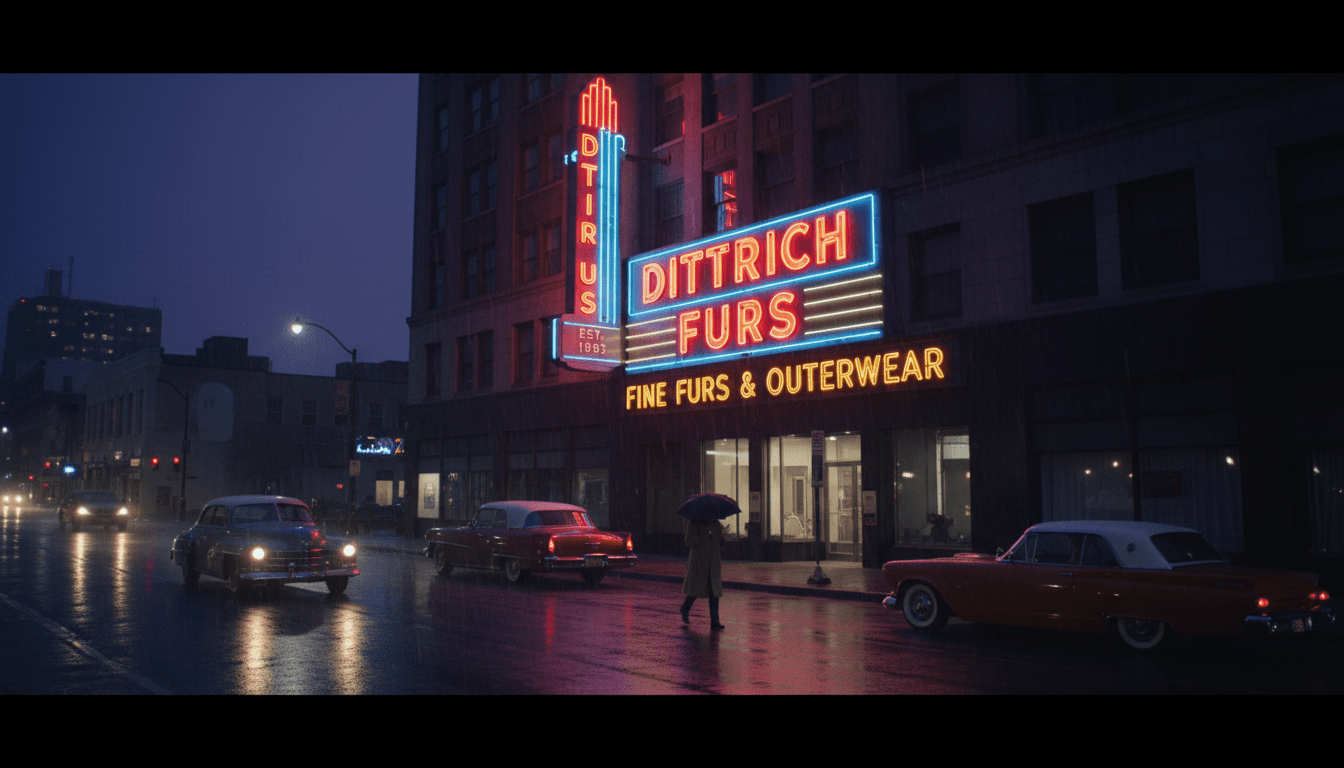
Founded in 1893, Dittrich Furs has been a staple of Detroit commerce longer than the Ford Motor Company. The announcement of the Dittrich Furs closing comes as a shock to many long-time residents who view the brand as a permanent fixture of the city’s identity. The company’s flagship location at 7373 Third Avenue is recognizable by its distinctive architecture and signage, a landmark in the Midtown neighborhood.
According to a statement released by the Dittrich family, the decision was heavily influenced by a combination of factors, including lifestyle changes among consumers, warmer winter weather patterns, and the desire of the current generation to retire. “It has been our privilege to serve the Detroit community for five generations,” the statement read. “This decision was made with heavy hearts but with gratitude for the century of support we have received.”
For more on how legacy businesses are navigating the current economic climate, read our coverage on Detroit’s evolving small business landscape.
The History Behind the Brand
To understand the significance of this closure, one must look at the company’s deep roots. Established just as the automotive industry was beginning to take shape, Dittrich Furs catered to Detroit’s elite during the city’s boom years. The business was originally founded by E.C. Dittrich and later passed down through the lineage—to Harold, then to Donald, and eventually to the current operators.
The company’s longevity is a statistical anomaly. According to data from the U.S. Small Business Administration, less than 3% of family-owned businesses survive into the fourth generation, let alone the fifth. Dittrich managed to navigate the cultural shifts of the 1960s, the economic hardships of the 1970s and 2000s, and the changing public perception regarding animal products in fashion.
Historically, the furrier was more than just a retail outlet; it was a full-service operation providing cold storage, cleaning, and repairs—services that made it indispensable to customers with high-value garments. The Midtown facility includes distinct climate-controlled vaults designed specifically to preserve furs, a feature that highlights the specialized nature of the business.
Impact on Detroit Residents and Real Estate
The closure raises immediate questions regarding the future of the physical assets, particularly the Midtown property. The building on Third Avenue sits in a prime development corridor near the Fisher Building and Henry Ford Health’s expanding campus. As Detroit development continues to surge in Midtown, the site is expected to attract significant interest from real estate developers.
Local preservationists are already expressing concern over the fate of the building’s exterior and its famous signage. In recent years, Detroit has seen a wave of adaptive reuse projects where historic facades are preserved while interiors are converted into residential or mixed-use spaces. However, no official plans for the real estate have been released as the company focuses on its liquidation phase.
“It is always a somber moment when a centennial business closes its doors,” said a representative from the Detroit Historical Society in a general commentary on legacy business preservation. “These institutions are the connective tissue between the Detroit of the past and the Detroit of today.”
Changing Trends and the Fur Industry
While the Dittrich family cites retirement as a primary driver, the broader context of the fur industry cannot be ignored. The global fashion market has seen a distinct shift away from natural fur over the last two decades. Major luxury fashion houses, including Gucci and Versace, have dropped fur from their lines in recent years, responding to evolving consumer ethics and sustainability concerns.
Furthermore, climate data plays a role. With Detroit experiencing milder winters in recent years compared to the sub-zero averages of the early 20th century, the practical necessity of heavy fur coats has diminished. The “casualization” of American workwear has also reduced the demand for high-end formal outerwear in daily life.
Despite these headwinds, Dittrich Furs remained profitable and operational long after many competitors folded. Their survival strategy relied heavily on service—storage, restyling, and repairs—rather than solely on new sales. The liquidation sale, which includes millions of dollars in inventory, offers the public a final chance to acquire garments from the historic retailer.
What Happens Next?
The liquidation sale is currently underway at both the Detroit and Bloomfield Hills locations. The company expects to sell through its inventory of mink, sable, beaver, and shearling coats over the coming months. The closure process is expected to be orderly, honoring the reputation the family has built over 132 years.
For existing customers, the immediate concern involves garments currently in cold storage. The company has assured patrons that all items stored in their vaults are safe and that there will be a designated window for owners to retrieve their property or make alternative storage arrangements.
As the neon lights on Third Avenue prepare to go dark, Detroit loses a tangible link to its Gilded Age. While the city continues to reinvent itself with new tech hubs and modern retail, the departure of Dittrich Furs serves as a reminder of the industrial and commercial prowess that originally built the Motor City.