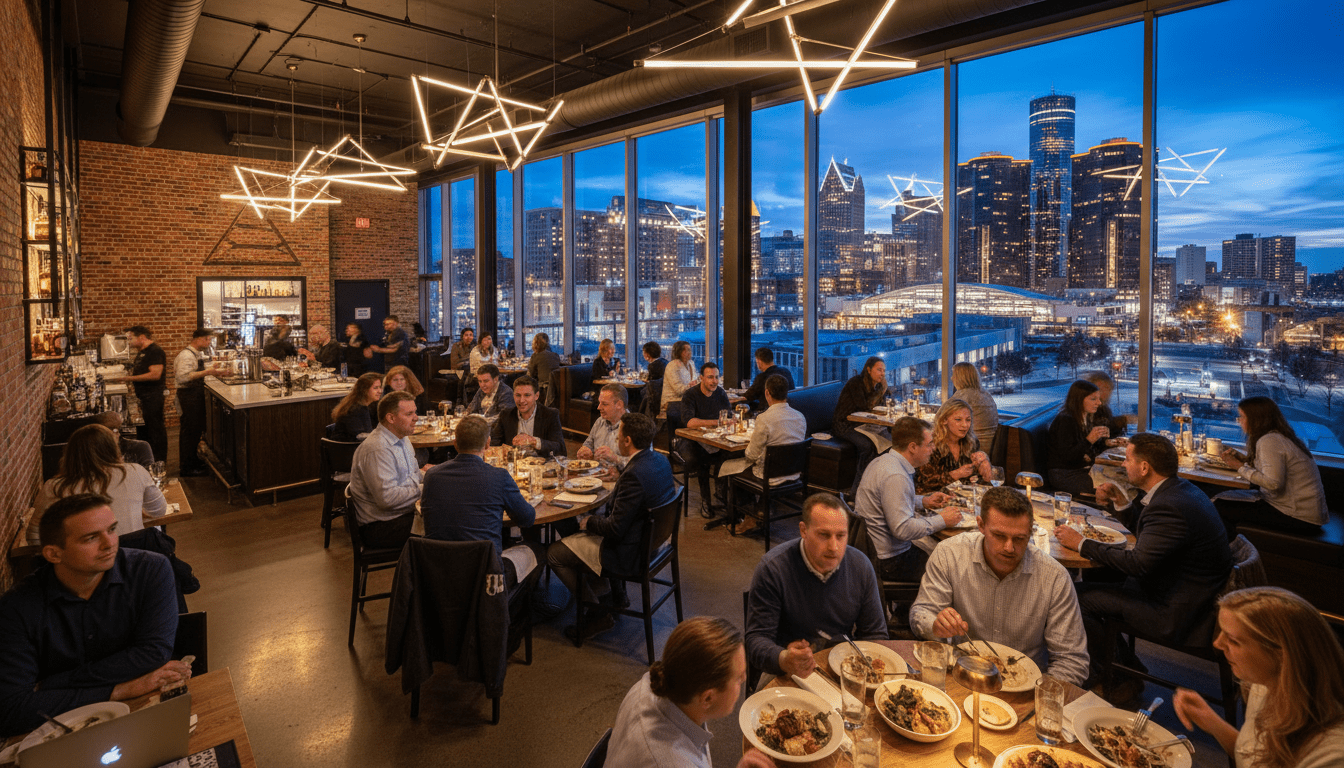
Detroit’s narrative has long been dominated by the automotive industry, but a significant shift in the city’s economic and cultural fabric is underway, driven by an unlikely engine: the hospitality sector. Over the past five years, the quest to define the best restaurants in Detroit has moved beyond local polls and into the pages of national publications like the New York Times and Bon Appétit, signaling a revitalization that goes deeper than just new menus.
According to recent data from the Michigan Restaurant & Lodging Association (MRLA), the food service industry in Metro Detroit has rebounded to pre-pandemic levels, with a notable surge in independent, chef-driven concepts in neighborhoods like Corktown, Midtown, and the Milwaukee Junction. This culinary boom is not merely providing new dining options; it is acting as a catalyst for commercial real estate development and neighborhood stabilization.
From Coney Islands to James Beard Awards
For decades, Detroit was synonymous with Coney Island hot dogs and square pizza—staples that remain beloved. However, the conversation surrounding the Detroit food identity has evolved rapidly. The recent slate of James Beard Award nominations for local chefs highlights a move toward globally inspired, technically proficient cuisine that honors the city’s diverse heritage.
“The perception of Detroit dining has fundamentally changed,” said a representative from the Detroit Metro Convention & Visitors Bureau. “Ten years ago, visitors asked where to find a quick bite downtown. Today, they are planning entire trips around specific reservations at our top establishments.”
Establishments such as Baobab Fare, which highlights East African cuisine, and Freya, known for its tasting menus, have garnered national attention. This visibility draws tourism dollars, directly benefiting the local tax base. Reportedly, out-of-town spending in Detroit restaurants has increased by over 15% year-over-year, helping to diversify the city’s revenue streams beyond corporate manufacturing.
Economic Impact on Detroit Neighborhoods
The rise of high-quality dining is reshaping the commercial landscape. Real estate developers are increasingly anchoring mixed-use projects with high-profile restaurants rather than traditional retail. In areas like Brush Park and Southwest Detroit, the opening of a marquee restaurant often precedes a rise in property values and foot traffic.
According to the Detroit News, commercial vacancies in corridors with high concentrations of dining establishments have dropped significantly compared to areas relying solely on office space. This trend suggests that the hunt for the best restaurants in Detroit is actually driving infrastructure improvements, lighting upgrades, and sidewalk repairs as landlords compete to attract premier hospitality tenants.
“Restaurants are the new anchor tenants,” noted a local commercial real estate analyst. “When a celebrated chef opens a spot in a developing neighborhood, it validates the area for other businesses. It creates a micro-economy where coffee shops, boutiques, and residential units follow suit.”
Impact on Detroit Residents
While the accolade-laden boom is a boon for the city’s image, it presents a complex reality for long-time Detroiters. The influx of upscale dining raises questions about accessibility and affordability. As the cost of living rises in revitalized neighborhoods, some residents express concern that the new wave of restaurants caters primarily to suburbanites and tourists rather than the local community.
However, the employment impact is undeniable. The hospitality sector creates a wide range of jobs, from entry-level positions to high-paying management and culinary roles. Local workforce development programs have pivoted to partner with these new establishments, ensuring that Detroit residents have the training required to work in fine dining kitchens and front-of-house roles.
Local business owners emphasize that the ecosystem is inclusive. “It isn’t just about $100 tasting menus,” said the owner of a long-standing Midtown eatery. “The attention on Detroit food helps everyone. When people come down for a fancy dinner, they might buy coffee from a local roaster the next morning or visit a local museum. The rising tide lifts many boats, provided we ensure hiring is local.”
Background & Data: The Numbers Behind the Boom
Data from the U.S. Bureau of Labor Statistics indicates that the leisure and hospitality sector in the Detroit-Warren-Dearborn area has seen steady job growth, outpacing other service sectors in the last fiscal quarter. Furthermore, online search interest for terms like “best restaurants Detroit” and “Detroit fine dining” has spiked nationally, suggesting a branding shift for the city.
Critics argue that the industry operates on thin margins and is vulnerable to economic downturns. Yet, the resilience shown by Detroit’s culinary scene post-2020 suggests a robust demand. The density of dining options has also improved walkability scores in key districts, a metric closely tied to property value retention.
What Happens Next for Detroit Dining
Looking ahead, the city is bracing for even more international recognition. Speculation continues regarding the potential arrival of global restaurant guides, which would further cement Detroit’s status as a culinary destination. However, city planners and community leaders remain focused on sustainability.
The challenge for the next decade will be maintaining the authenticity that makes Detroit unique while accommodating growth. Ensuring that minority-owned businesses and legacy establishments are not displaced by the rush to open the next “best” restaurant remains a priority for the City Council and local advocacy groups.
As Detroit continues its redevelopment, the kitchen has become as important as the assembly line. The restaurants defining this era are doing more than serving food; they are serving as pillars of a new, diversified Detroit economy.