As temperatures drop and snow begins to blanket the region, the traditional hibernation of the Midwest is being replaced by a vibrant surge of outdoor activity. Detroit area Winterfest events have evolved from sporadic community gatherings into a coordinated economic strategy, aiming to transform the region into a legitimate four-season destination. From the riverfront to the sprawling suburbs, municipalities and organizations are investing heavily in cold-weather placemaking to sustain foot traffic and support local businesses during the notoriously slow first quarter.
Data from regional tourism bureaus suggests a shift in consumer behavior, with residents increasingly seeking outdoor recreational opportunities regardless of the chill. This trend is anchored by major initiatives like the Detroit Riverfront Conservancy’s programming and suburban festivals that mimic European Christmas markets and winter carnivals. The result is a calendar packed with activities designed to get Detroiters out of their homes and into their communities.
Expanding the Season: Beyond the Holidays
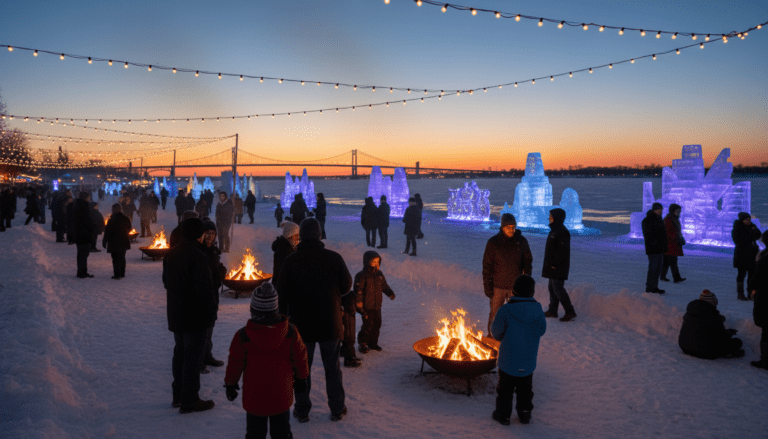
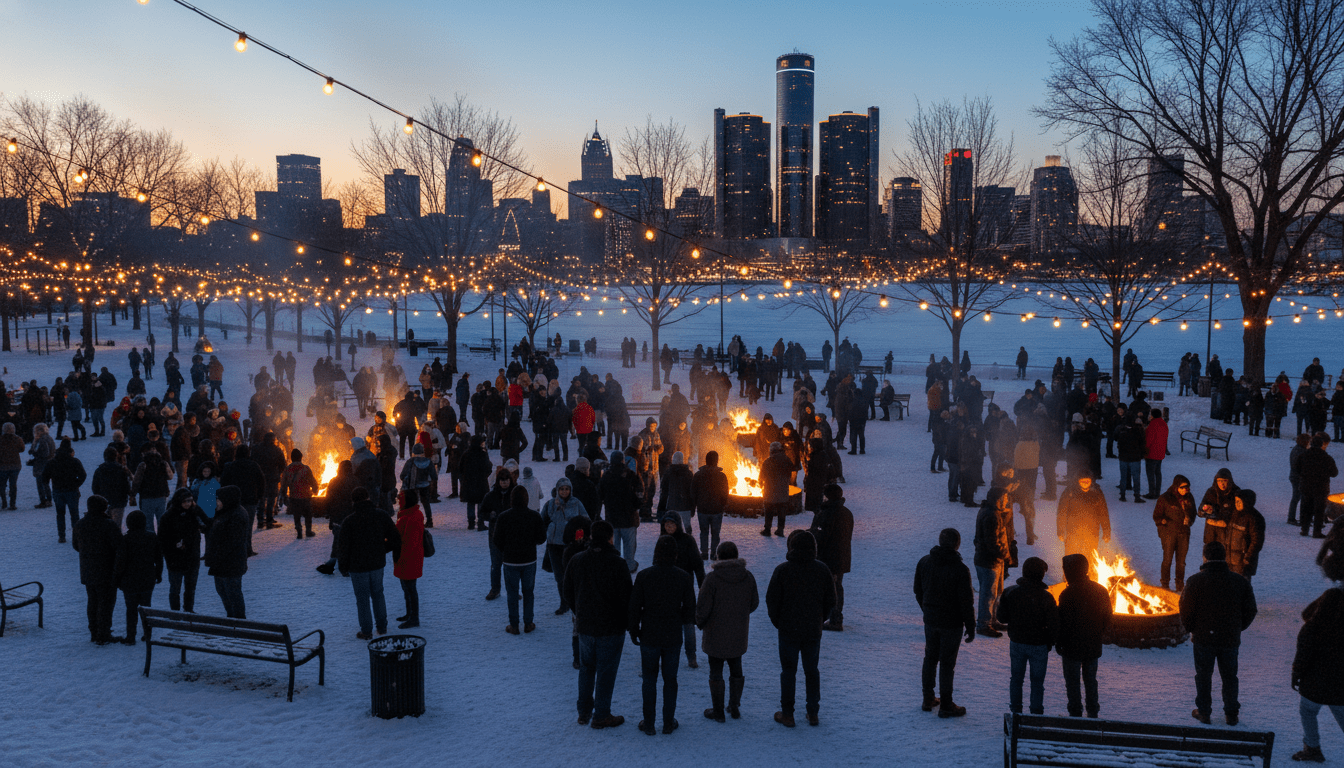
While December has long been anchored by tree lightings and holiday markets, a significant push has been made to extend programming into January and February. Organizers acknowledge that the post-holiday slump can be detrimental to downtown corridors. According to the Detroit Riverfront Conservancy, their flagship "Winter at Valade" series was specifically designed to bridge this gap.
"The goal is to provide consistent, high-quality programming that makes the riverfront a destination year-round," a representative for the Conservancy stated in a recent press release. "By offering oversized fires, warm drinks, and distinct themes for every weekend, we turn the weather into an asset rather than a liability."
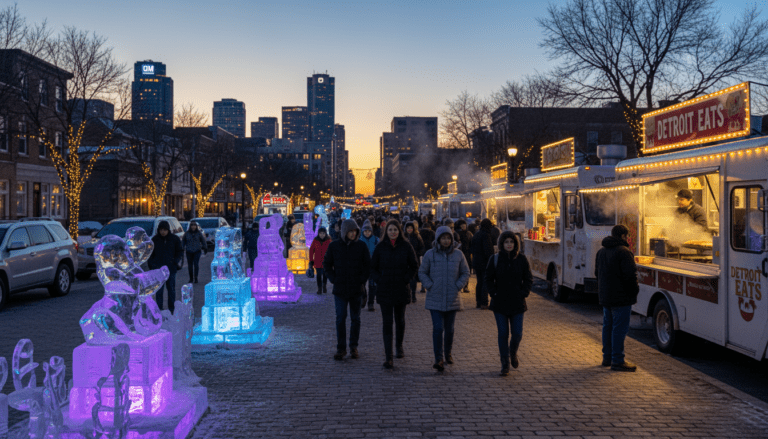
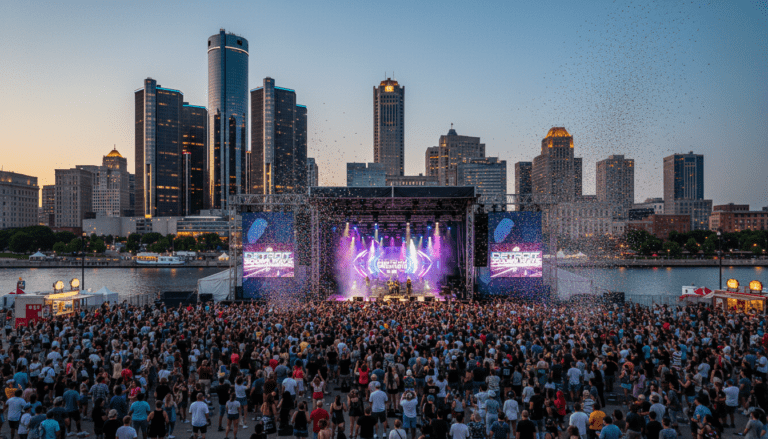
This year’s lineup includes the return of popular themes such as "Fire and Ice" and "Motown Magic," featuring local musicians, ice carving competitions, and winter wellness activities like outdoor yoga. These events serve as a blueprint for the broader array of Detroit area Winterfest events appearing in surrounding municipalities.
Economic Impact of Detroit Area Winterfest Events
The proliferation of these festivals is not merely for entertainment; it is a vital economic engine. Local business owners, particularly those in the food and beverage sector, rely on these activations to maintain revenue streams that typically dry up in January. Pop-up markets associated with these festivals allow small vendors—often those without brick-and-mortar locations—to connect with customers.
"January used to be a write-off for us," said Sarah Jenkins, a local artisan who sells handmade woolen goods at various metro area markets. "Now, with events happening in Taylor, Royal Oak, and downtown Detroit, we are seeing sales numbers that rival our autumn figures. It keeps the cash flow moving when utility bills are highest."
According to data from Visit Detroit, cultural tourism is a significant driver of the regional economy. When families travel downtown for an event at Campus Martius or Valade Park, the economic multiplier effect is substantial. Visitors are likely to pay for parking, dine at nearby restaurants, and shop at local retail establishments. This circulation of dollars is critical for the survival of downtown ecosystems that have been adjusting to hybrid work models.
Suburban Celebrations and Community Identity
The trend is not isolated to the city center. Suburbs are leveraging their own versions of winter festivals to create distinct community identities. The "Winterfest" model—often featuring ice rinks, petting zoos, and fireworks—has been adopted by communities such as Taylor, Hartland, and Rochester.
For example, the Heritage Park Winterfest in Taylor has become a staple, drawing thousands of residents for a weekend that celebrates local heritage and community resilience. These events foster a sense of belonging and provide accessible entertainment options for families who may not wish to travel into the city core during inclement weather.
Municipal officials view these events as critical for resident retention and satisfaction. "It’s about quality of life," noted a planning official from Oakland County during a recent regional development roundtable. "If we want to attract talent and keep families here, we need to show that life doesn’t stop when it snows. We need to embrace the winter identity."
Infrastructure and Logistics
Executing successful outdoor events in Michigan winters requires significant logistical planning and infrastructure investment. The shift toward year-round activation has led to increased spending on outdoor heating solutions, weather-resistant structures, and lighting.
City planners are increasingly incorporating permanent infrastructure to support these events. This includes:
- Permanent Fire Pits: Installing gas and wood-burning pits in public parks to reduce setup costs for recurring events.
- Electrical Upgrades: Ensuring parks have adequate power for sound systems and food trucks without relying on noisy generators.
- Wind Mitigation: Using landscaping and temporary barriers to create microclimates that are comfortable for attendees.
These investments signal a long-term commitment to the strategy. By building the physical capacity for winter events, Detroit and its suburbs are ensuring that this festival culture is sustainable for years to come.
Social Impact on Detroit Residents
Beyond the economics, there is a profound social component to these gatherings. Seasonal Affective Disorder (SAD) and social isolation are genuine public health concerns in northern climates. By creating communal spaces that are safe, lit, and active, the city provides a necessary outlet for mental well-being.
Community centers and neighborhood hubs utilize these festivals to distribute resources, from winter coats to information on utility assistance, effectively meeting residents where they are. The festive atmosphere reduces the stigma often associated with seeking assistance, integrating social services into the fabric of community celebration.
What Happens Next
As the 2025 winter season progresses, the calendar of Detroit area Winterfest events is expected to expand further. Upcoming weekends will feature the Plymouth Ice Festival and the expansive Detroit Boat Show, which, while indoors, complements the outdoor activity by drawing regional traffic.
The success of these initiatives could lead to further policy changes regarding outdoor dining and public alcohol consumption zones (social districts), which have already proven successful in Northville and Royal Oak. As Detroit continues to redefine its relationship with winter, the region is proving that with the right infrastructure and community spirit, the cold is no longer a barrier to growth.