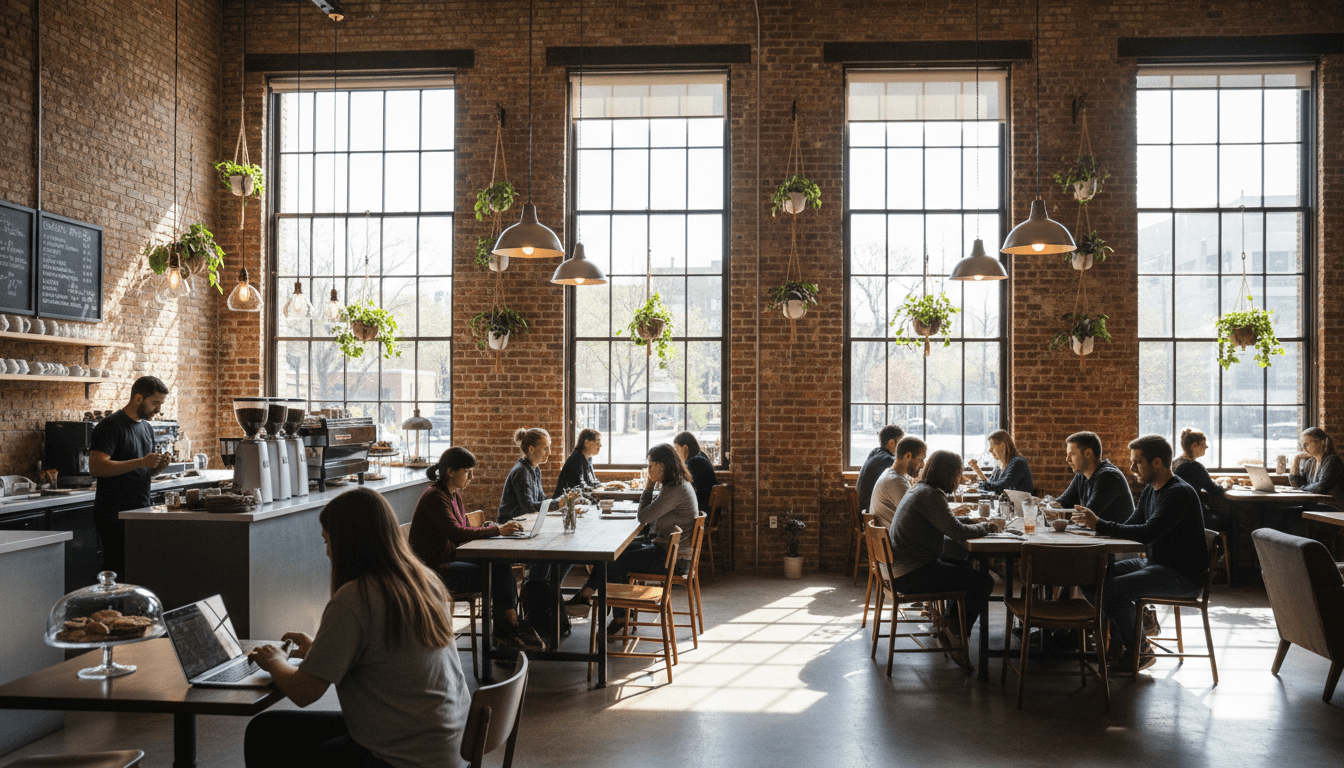
As the spring thaw settles over the city, the landscape of Detroit coffee shops in 2026 reveals a story far deeper than caffeine consumption. What was once a scattered collection of caffeine outposts has matured into a robust economic engine, playing a pivotal role in the revitalization of historic neighborhoods from Corktown to the Avenue of Fashion. This season, the city sees a record number of independent roasters opening their doors, signaling a shift in local consumer behavior and small business viability.
The transformation of Detroit’s café culture mirrors the broader economic trends reshaping the city. According to data released this quarter by the Detroit Economic Growth Corporation (DEGC), food and beverage retail permits in commercial corridors have increased by 14% compared to the previous fiscal year. This growth is largely driven by small, locally-owned cafes that serve as community anchors, transforming vacant industrial spaces into vibrant hubs of social interaction.
The Evolution of the Third Place
Sociologists and urban planners often refer to coffee shops as “third places”—social environments distinct from home and the workplace. In 2026, Detroit coffee shops are fulfilling this role with increasing intentionality. The trend this spring moves away from the grab-and-go model toward experiential spaces designed to foster community engagement and remote work infrastructure.
Reports from the Downtown Detroit Partnership indicate that foot traffic in districts with high densities of coffee shops has recovered and surpassed pre-pandemic levels. Local business owners suggest that the coffee shop has replaced the traditional office lobby as the primary venue for informal business meetings in the city. This shift has forced operators to rethink design, prioritizing seating capacity, high-speed connectivity, and acoustic comfort alongside beverage quality.
“The demand has shifted from pure convenience to connection,” noted a representative from a Midtown business association during a recent economic forum. “Residents are looking for spaces that reflect the identity of their specific neighborhood, which is why we are seeing hyper-local themes in the newest wave of cafes opening this spring.”
Impact on Detroit Residents and Housing
The proliferation of high-quality cafes is having a tangible impact on Detroit’s neighborhood livability metrics. Real estate analysts have long noted the “coffee shop effect,” where the arrival of a specialty café often precedes a rise in property values and further commercial development. For residents, this means increased walkability and access to amenities, though it also brings conversations about gentrification and equitable development to the forefront.
Local housing advocates emphasize the importance of these businesses hiring from within the community. Several of the top-rated locations in our best coffee Detroit 2026 analysis have launched workforce development programs, training local youth in barista skills and hospitality management. This localized hiring strategy ensures that the economic benefits of the coffee boom circulate within the immediate vicinity, rather than leaking out to suburbs.
Furthermore, the Spring 2026 season highlights a surge in minority-owned coffee businesses. Data from local commerce chambers shows that over 60% of new café applications filed this year are from minority entrepreneurs, a statistic that reflects the city’s commitment to inclusive entrepreneurship.
Market Trends: Sustainability and Direct Trade
For the discerning consumer, the definition of the “best coffee” has evolved. It is no longer solely about roast profiles but also about supply chain ethics. Detroit roasters are increasingly bypassing traditional importers to establish direct trade relationships with farmers. This ensures higher wages for growers and a unique product for Detroit customers that cannot be found in national chains.
A recent survey of Michigan consumers found that sustainability credentials are a deciding factor for 45% of coffee drinkers under the age of 40. In response, Detroit cafes are leading the Midwest in adopting zero-waste practices, with many shops eliminating single-use plastics entirely by this spring. This alignment with environmental values is proving to be a competitive advantage in a crowded market.
Highlights of the 2026 Season
While this report focuses on the economic and cultural impact, the culinary aspect remains central. The current leaders in the market share common characteristics: in-house roasting, seasonal rotation of single-origin beans, and partnerships with local bakeries.
- Adaptive Reuse: Many new entrants are housed in rehabilitated automotive repair shops and bank buildings, preserving Detroit’s architectural heritage while modernizing the interior utility.
- Culinary Crossovers: We are seeing a rise in “coffee-plus” concepts, where shops function as cafes by day and non-alcoholic social bars or listening rooms by night, maximizing the utility of the real estate.
What Happens Next for Local Cafes
Looking ahead to the summer and beyond, the trajectory suggests continued expansion into residential neighborhoods that have historically been underserved by sit-down dining options. As Detroit’s economic landscape continues to diversify, the coffee sector appears well-positioned to remain a bellwether for neighborhood health.
However, challenges remain. Inflationary pressures on green coffee beans and dairy products continue to squeeze margins. Industry experts warn that while consumer enthusiasm is high, price sensitivity may eventually test the ceiling of what locals are willing to pay for a premium latte. For now, however, the spring forecast for Detroit coffee shops remains optimistic, fueled by a unique blend of community pride and entrepreneurial resilience.