As the city continues its trajectory of revitalization, the density and variety of family weekend events Detroit residents can access have grown significantly. This upcoming weekend marks a pivotal moment in the seasonal calendar, with the Downtown Detroit Partnership (DDP) and various cultural institutions unveiling a robust lineup of programming designed to draw multigenerational crowds back to the city center.
For years, the narrative surrounding downtown Detroit focused heavily on office occupancy and nightlife. However, a distinct shift is occurring. Local organizations and city planners are increasingly pivoting their focus toward family-friendly activation, recognizing that sustainable urban growth requires the participation of families, not just working professionals. This weekend’s schedule reflects that strategic shift, offering everything from STEM-focused workshops in the Cultural Center to large-scale outdoor activities along the international riverfront.
Riverfront and Campus Martius Lead Programming
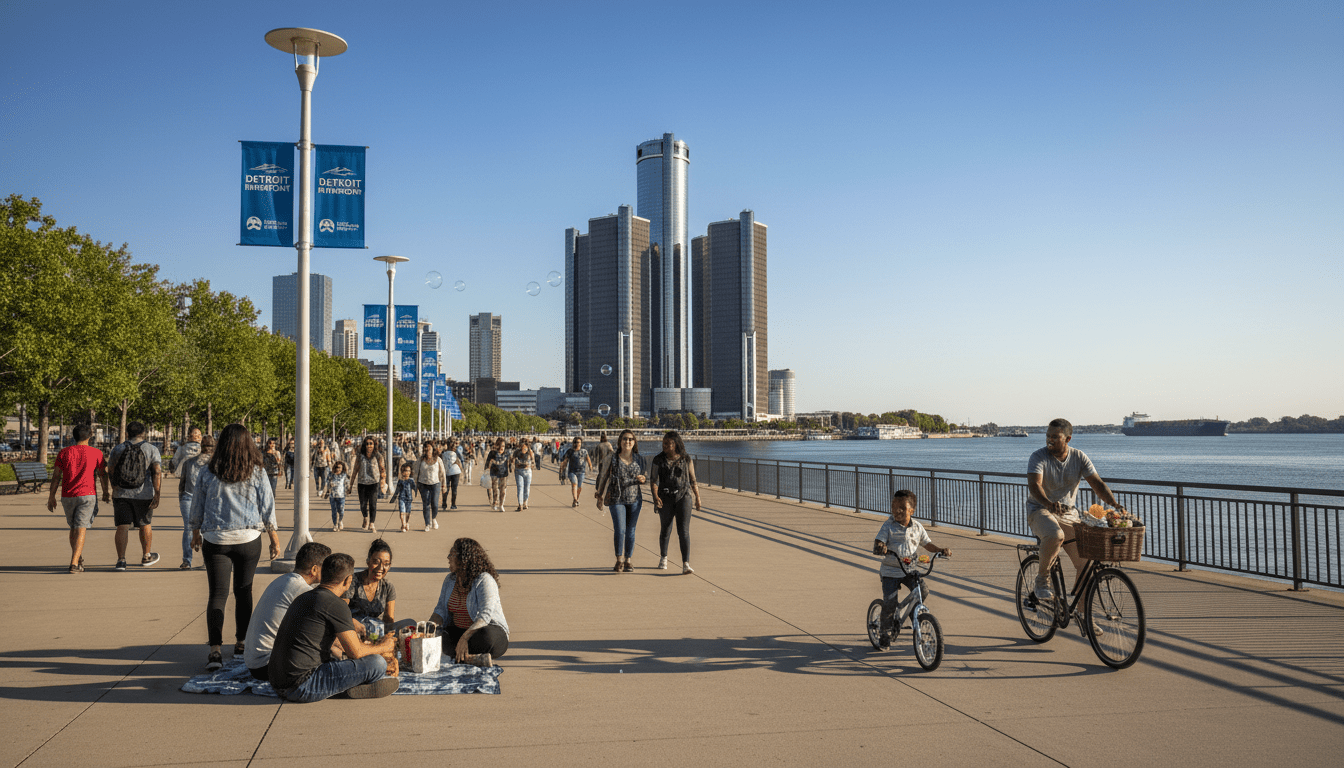
The anchor for much of this weekend’s activity remains the city’s award-winning public spaces. According to the Detroit Riverfront Conservancy, foot traffic along the Riverwalk has seen steady year-over-year increases, particularly on Saturday mornings and Sunday afternoons. This weekend, the conservancy is hosting a series of interactive outdoor sessions aimed at children and parents, reinforcing the area’s reputation as a safe, communal gathering spot.
Simultaneously, Campus Martius Park continues to serve as the city’s “living room.” The DDP has curated a schedule that blends leisure with entertainment. Families visiting the park this weekend can expect pop-up markets featuring local artisans and casual lawn games designed to encourage visitors to linger rather than just pass through. This strategy of “dwelling” is critical for the local economy, as extended dwell times correlate directly with increased spending at surrounding brick-and-mortar businesses.
Further north in Midtown, the Cultural Center is activating its spaces to complement the outdoor energy. Institutions like the Detroit Institute of Arts (DIA) and the Michigan Science Center are running specialized weekend programs. Local reporting indicates that these institutions have been coordinating more closely with city transit authorities to ensure that moving between downtown and Midtown is seamless for families relying on the QLINE or DDOT services.
Impact on Detroit Residents and Economy
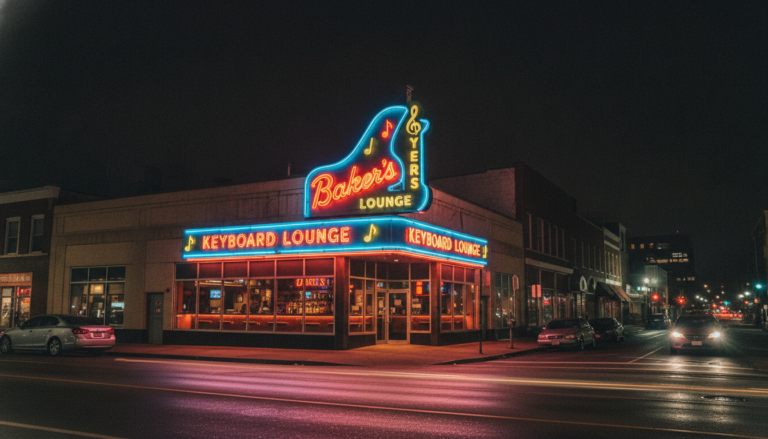
The influx of programmed events is not merely for entertainment; it has tangible economic and social impacts on Detroiters. For local business owners, the rise in family tourism provides a necessary revenue buffer. Small business owners in the Capitol Park and Parker’s Alley districts have noted that weekend daytime traffic has become as vital as the Friday night dinner rush. By creating a consistent calendar of events, the city reduces the “feast or famine” cycle that often plagues event-based economies.
However, the impact goes beyond economics. For residents of Detroit’s neighborhoods, the centralization of high-quality, low-cost entertainment provides equitable access to the city’s resurgence. Many of the events scheduled for this weekend are free or low-cost, a deliberate move by organizers to ensure inclusivity. Local business leaders have frequently emphasized that for Detroit’s comeback to be genuine, it must remain accessible to long-time residents, not just suburban visitors.
“The goal is to create a rhythm where families know they can come downtown without a plan and find something meaningful to do,” said a spokesperson for a local placemaking organization in a recent press briefing. “It changes the perception of the city from a place you go for a specific ticketed event to a place you go to simply exist and enjoy.”
Analyzing the Data: A Shift in Demographics
Data from the Downtown Detroit Partnership supports the observation that the demographic of the weekend visitor is changing. Recent annual reports suggest a broadening of the age ranges present in public spaces, with a marked increase in children and seniors. This demographic shift necessitates the kind of infrastructure changes residents may have noticed recently, such as improved restroom accessibility, better wayfinding signage, and increased security presence during daylight hours.
Furthermore, Visit Detroit has highlighted that regional tourism is heavily influenced by the perception of safety and family-friendliness. By consistently delivering safe, well-managed family weekend events, Detroit is actively rebranding itself in the regional consciousness. The success of this strategy is evident in the license plates seen in parking structures—ranging from Ohio and Ontario to further reaches of the Midwest—indicating that the city is becoming a short-haul destination for families.
Transportation and Logistics for Families
With the surge in events comes the inevitable challenge of logistics. City officials are urging attendees to utilize the various transportation updates implemented over the last year. The usage of the People Mover, which recently adjusted its operations to be free for riders, is highly encouraged to reduce congestion in the central business district. Parking enforcement remains active, and residents are advised to use the ParkDetroit app to manage sessions remotely, avoiding the frustration of street-level kiosks during peak hours.
Construction projects, particularly those related to the Hudson’s site and various residential developments, may cause temporary sidewalk detours. However, signage is generally clear, and the increased foot traffic tends to regulate the flow of movement naturally. Families are advised to plan their arrival times, with the sweet spot for parking availability generally being before 11:00 AM.
What Happens Next?
Looking ahead, the calendar of family weekend events Detroit offers shows no sign of slowing down. As the season progresses, the programming is expected to shift to align with upcoming holidays and seasonal weather changes. The collaboration between the city, private philanthropy, and corporate sponsors suggests a sustainable funding model is in place to keep these activations running year-round.
For the immediate future, this weekend serves as a litmus test for the city’s capacity to host simultaneous events across multiple districts. As Detroit continues to refine its approach to public space management, the winners are the families who—after years of limited options—now find themselves spoiled for choice in the heart of the city.