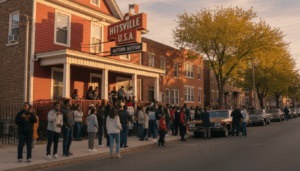
In an effort to address long-standing disparities in educational resources and safe spaces for teenagers, city officials and philanthropic organizations are ramping up investment in Detroit after-school programs. The initiative, which coordinates efforts between the City of Detroit, the Detroit Public Schools Community District (DPSCD), and various non-profit partners, seeks to provide structured, enriching environments for thousands of students during the critical hours between the end of the school day and the time parents return from work.
For years, access to high-quality extracurricular activities has been uneven across Detroit’s neighborhoods. While some areas benefited from robust community center programming, others faced ‘deserts’ where youth had few options outside of their immediate homes. Recent data indicates that a significant portion of Detroit’s youth population lacks access to affordable, consistent after-school care. This new push aims to centralize resources and improve the visibility of available programs, ensuring that families in all seven districts can connect with services ranging from STEM education to athletics and arts.
“The goal is not just to keep young people busy, but to provide them with pathways to future careers and social stability,” said a representative from the City’s Parks and Recreation Department. “We are seeing a collaborative effort unlike anything in the past decade to ensure our facilities are open, staffed, and funded to handle the demand.”
Addressing the Supply and Demand Gap
According to reports from the Afterschool Alliance, for every child in an after-school program, there are three more waiting to get in. In Detroit, this gap is exacerbated by transportation hurdles and funding cycles that often leave non-profits scrambling year-to-year. The current strategy involves leveraging American Rescue Plan Act (ARPA) funds and sustained philanthropic commitments from organizations like The Skillman Foundation to stabilize the ecosystem.
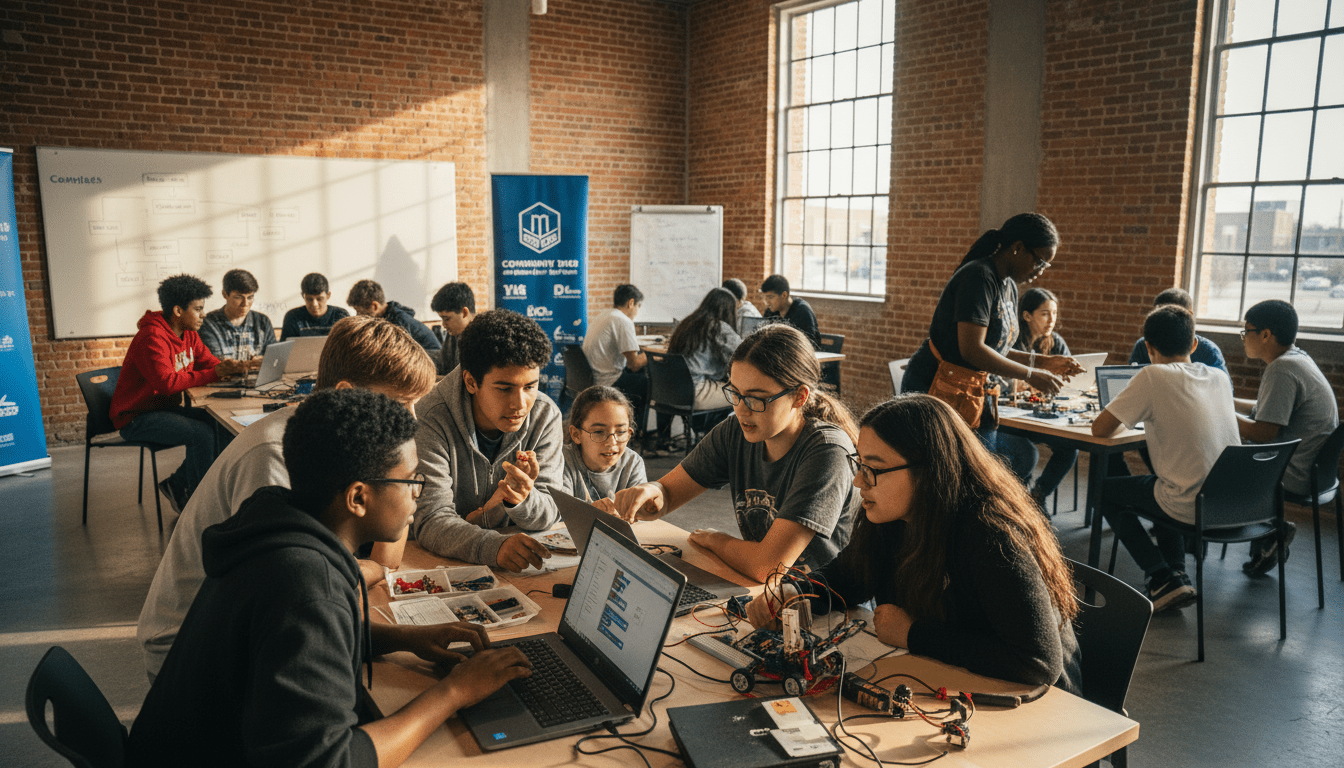
The expansion focuses on three core pillars: academic support, workforce development, and physical wellness. By integrating these elements, Detroit after-school programs are evolving from simple drop-in centers to comprehensive hubs of youth development. Local community centers have begun extending hours and upgrading facilities to accommodate coding boot camps and robotics leagues, directly addressing the digital divide that persists in many urban households.
Furthermore, the coordination with DPSCD ensures that the curriculum offered after 3:00 PM complements what students are learning in the classroom. This alignment is designed to boost literacy and math proficiency rates, which remain a priority for the district.
Impact on Detroit Residents
For working parents in Detroit, the availability of reliable after-school care is an economic necessity. The unpredictable nature of shift work often clashes with the rigid 3:00 PM school dismissal, leaving families in precarious situations. The expansion of these programs provides a safety net that allows parents to maintain employment without sacrificing their children’s safety.
Local parent groups have expressed cautious optimism regarding the changes. “It used to be a struggle to find a safe place for my teenager to go,” said Marcus Thorne, a resident of the Bagley neighborhood. “Knowing there is a program nearby where he can learn computer skills instead of just hanging out on the corner makes a huge difference for my peace of mind and his future.”
Beyond family logistics, the programs are viewed as a critical component of neighborhood safety. Law enforcement and community leaders have long cited the hours between 3:00 PM and 6:00 PM as a peak time for juvenile crime. By engaging youth in constructive activities, the city hopes to see a correlation in reduced incident reports involving minors. Read more about community revitalization efforts impacting local safety here.
Overcoming Transportation Barriers
One of the most significant challenges facing Detroit after-school programs is transportation. In a city where car ownership rates vary and public transit can be sporadic, getting students from school to a separate community center is a logistical hurdle. To combat this, several organizations are piloting shuttle services and walking bus programs.
The ‘Goal Line’ pilot, which was launched previously in specific neighborhoods, demonstrated the efficacy of a loop bus system connecting schools, libraries, and recreation centers. City planners are currently reviewing data from these pilots to determine the feasibility of scaling similar transit solutions city-wide. Without reliable transport, even the best-funded programs remain inaccessible to the most vulnerable populations.
“If the kids can’t get there, the quality of the program doesn’t matter,” noted a program director at a local non-profit. “We are allocating a portion of our new budget specifically to logistics to ensure seat utilization matches our capacity.”
Workforce Development and Future Outlook
A unique aspect of the revitalized Detroit after-school programs is the focus on older youth and workforce readiness. Unlike traditional daycare-style programs, initiatives for high schoolers are increasingly modeled around the “Learn to Earn” concept. This includes partnerships with local businesses that offer internships and stipends for students who complete certification courses in trades, IT, and healthcare.
Data from the U.S. Census Bureau highlights the importance of early workforce exposure in improving long-term economic mobility. By integrating job training into the after-school framework, Detroit is attempting to create a pipeline of skilled workers ready to enter the local economy immediately upon graduation. This ties into broader Detroit economic trends focusing on local talent retention.
Looking ahead, the sustainability of these programs will depend on continued public-private partnerships. While current funding is secured for the next fiscal cycle, advocates emphasize the need for a permanent line item in the city budget dedicated to youth enrichment. As the programs roll out, data regarding attendance, graduation rates, and parent satisfaction will be critical in securing long-term support.
For now, the landscape for Detroit’s youth is shifting. With more doors opening across the city, the focus remains on ensuring every child, regardless of zip code, has the opportunity to thrive once the school bell rings.