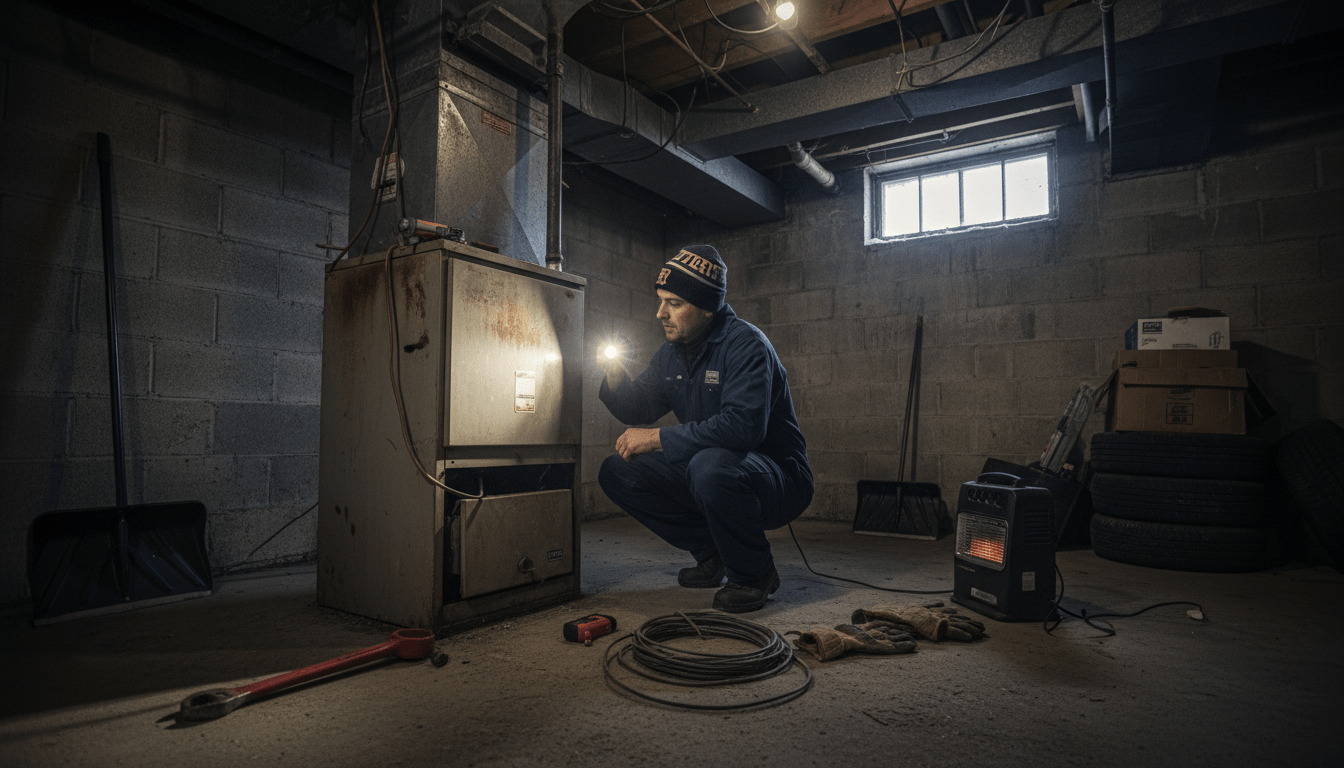
With meteorologists predicting a sharper decline in temperatures this November compared to historical averages, Detroit homeowners are racing against the clock to secure their homes against the coming freeze. However, a combination of supply chain lingering effects, a shortage of skilled labor, and an aging housing stock has created a significant bottleneck for those seeking heating repair in Detroit. For many residents, the annual ritual of furnace maintenance has turned into a source of anxiety and financial strain.
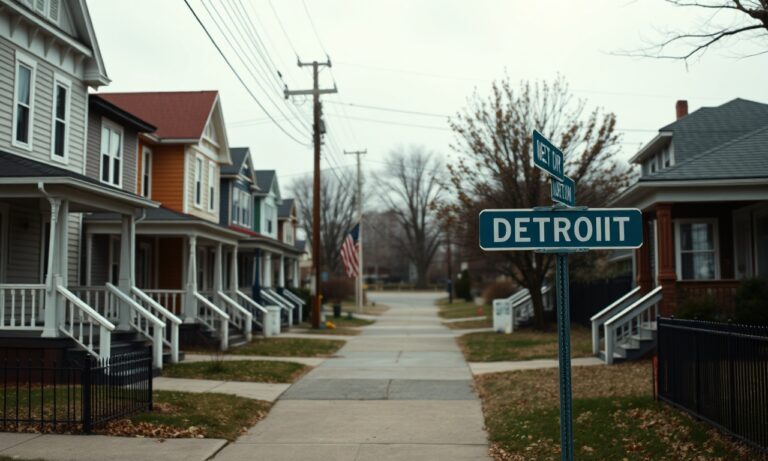
Data from the U.S. Census Bureau indicates that Detroit possesses one of the oldest housing stocks in the nation, with a significant percentage of homes built before 1950. These structures often rely on outdated HVAC systems that require specialized care or total replacement—services that are becoming increasingly difficult to schedule on short notice. Local advocacy groups and city officials are now urging residents to act immediately rather than waiting for the first frost.
The Strain on Detroit’s Infrastructure
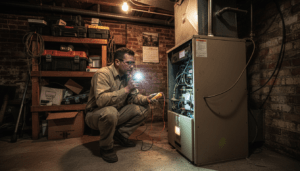
The core of the issue lies in the intersection of aging infrastructure and modern economic pressures. According to the Detroit Housing & Revitalization Department, thousands of homes in the city are operating with furnaces that are over 20 years old, well past their efficient lifespan. When these units fail, finding a technician available for immediate service is proving challenging.
“We are seeing call volumes triple compared to this time three years ago,” said Marcus Thorne, a representative for a local trade association representing HVAC contractors in Southeast Michigan. “The problem isn’t just the number of broken furnaces; it is the lack of certified hands to fix them. We have a generation of technicians retiring, and not enough apprenticeships being filled to replace them.”
For residents, this labor shortage means that typing “heating repair near me” into a search engine often yields results for companies that are booked weeks in advance. During a polar vortex or a severe cold snap, a two-week wait is not merely an inconvenience; it is a health hazard, particularly for seniors and families with young children.
Furthermore, the cost of parts has risen. Supply chain disruptions that began in 2020 have normalized into higher baseline prices for motors, control boards, and heat exchangers. This inflation hits Detroit’s lower-income zip codes the hardest, where the cost of a major repair can equal a month’s worth of income.
Impact on Detroit Residents
The practical impact of this shortage is being felt across neighborhoods from Corktown to the far East Side. Sarah Jenkins, a resident of the University District, shared her experience trying to secure a contractor last month.
“My pilot light wouldn’t stay lit, and I called four different places,” Jenkins said. “Two didn’t answer, and the other two said they couldn’t come out for an assessment until mid-December. You panic a little bit when you realize how vulnerable your home is to the elements.”
This situation also forces some residents to rely on unsafe heating methods. The Detroit Fire Department has historically issued warnings regarding the use of space heaters and gas stoves as primary heat sources, citing a direct correlation between heating system failures and residential fires during winter months.
Local community organizations are stepping in to bridge the gap. Programs aimed at seniors are prioritizing emergency visits, but resources are finite. The situation highlights a broader need for structural investment in Detroit’s residential grid, a topic frequently discussed in our coverage of Detroit housing market trends and stability.
Available Assistance and Grants
Recognizing the severity of the situation, city and state entities have mobilized resources to assist low-income homeowners. The City of Detroit, in partnership with various non-profits, offers the 0% Interest Home Repair Loan Program, which covers health and safety repairs, including furnace replacement.
Additionally, DTE Energy provides assistance through its Energy Efficiency Assistance (EEA) program. This initiative helps eligible customers make their homes more energy-efficient, which can sometimes include heating system upgrades or tune-ups to prevent catastrophic failure.
“It is vital that residents check their eligibility for these programs now, before the crisis hits,” stated a spokesperson for the City of Detroit Housing & Revitalization Department. “We want to ensure that financial barriers do not prevent Detroiters from having a warm, safe place to sleep this winter.”
For immediate needs, the Wayne Metropolitan Community Action Agency also administers weatherization assistance funds. These funds are designed to reduce energy costs for low-income families by increasing the energy efficiency of their homes, while ensuring their health and safety.
Outlook for the Winter Season
Industry experts predict that the demand for heating repair in Detroit will peak in late January, coinciding with the statistically coldest period of the year. To mitigate the risk of being left in the cold, homeowners are advised to schedule preventative maintenance immediately, rather than waiting for a system breakdown.
The long-term solution involves workforce development. Several Detroit-based technical schools are ramping up HVAC certification programs to address the labor gap, but these are long-term fixes for an immediate problem. In the interim, community reliance and knowledge of city resources remain the best defense against the coming chill.
For more information on preparing your home for the season, read our guide on essential winter safety resources for Detroit families.