With overnight temperatures in Metro Detroit beginning to dip near freezing, local safety officials and energy experts are issuing urgent reminders to homeowners regarding heating systems. As the region prepares for another harsh Michigan winter, the push for proactive furnace maintenance has become a central focus for public safety advocates aimed at preventing house fires and carbon monoxide poisoning.
While many residents view annual heating inspections as a mere household chore, data suggests that neglecting this system can have dire consequences, particularly in a city with an aging housing stock like Detroit. According to the National Fire Protection Association (NFPA), heating equipment is a leading cause of fires in U.S. homes, with the peak months for such incidents being December, January, and February.
Local HVAC professionals and the Detroit Fire Department are advising residents to schedule inspections now, before the deep freeze sets in and emergency service wait times increase.
The Critical Role of Furnace Maintenance in Fire Prevention
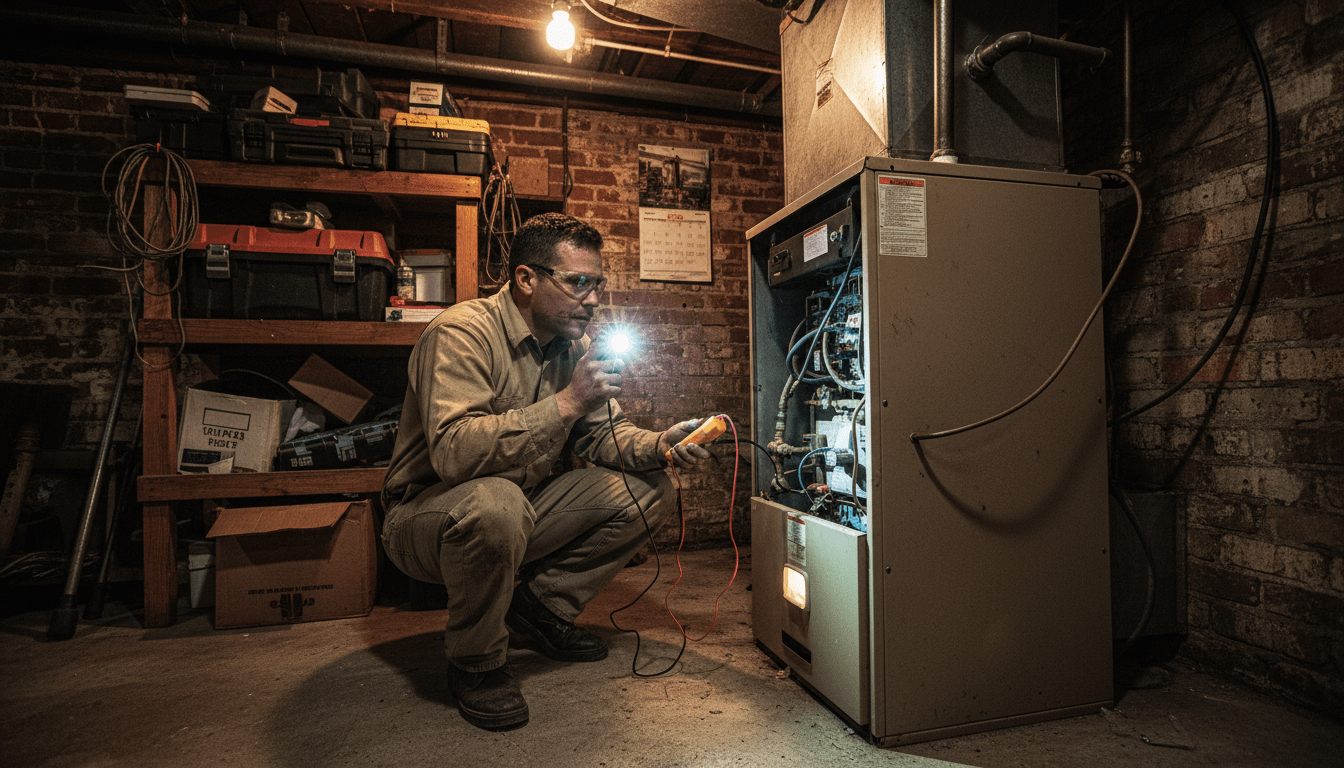
The primary concern for local authorities is safety. Detroit’s historic neighborhoods, while architecturally significant, often contain older homes with heating systems that may have gone years without professional attention. A furnace that is not properly maintained can develop cracked heat exchangers, which can lead to deadly carbon monoxide leaks.
“Carbon monoxide is odorless and colorless, making it a silent killer,” said a representative from a local fire safety advocacy group. “Regular furnace maintenance ensures that exhaust gases are venting properly and that safety switches are functional. It is not just about keeping warm; it is about waking up the next morning.”
In addition to gas leaks, the accumulation of dust and debris in a system can pose a fire hazard. Motors that are overworked due to clogged filters can overheat, sparking electrical fires. Fire officials recommend that every home be equipped with working smoke detectors and carbon monoxide alarms, noting that these devices are the first line of defense if a heating system fails catastrophically.
For more on how the city is preparing for the season, read our report on the upcoming winter forecast for Southeast Michigan.
Economic Impact on Detroit Residents
Beyond the immediate safety risks, the economic implications of efficient heating are significant for Detroit households. With inflation impacting the cost of living, rising utility bills are a concern for many families across Wayne County. DTE Energy has repeatedly advised customers that a well-maintained furnace runs more efficiently, using less energy to heat a home.
HVAC experts estimate that a neglected system can lose up to 5% of its efficiency per year. Over time, this forces the unit to run longer cycles to maintain the thermostat setting, directly resulting in higher monthly bills. For a standard Detroit home, a simple tune-up could translate to substantial savings over the course of a long winter.
“Airflow is everything,” explained a licensed HVAC contractor based in Midtown. “When a filter is clogged, the blower motor has to work twice as hard. This uses more electricity and shortens the lifespan of the equipment. Replacing a $500 part is much cheaper than replacing a $5,000 furnace, yet many homeowners skip the annual check-up to save money in the short term.”
Assistance Programs for Low-Income Households
Recognizing that the cost of professional furnace maintenance or replacement is out of reach for some residents, several organizations in the Detroit area offer assistance. The financial burden of a broken heater in January can be devastating, leading some residents to use unsafe alternatives like space heaters or ovens, which drastically increase fire risks.
Organizations such as The Heat and Warmth Fund (THAW) provide crucial support to Michigan residents facing energy emergencies. THAW assists with utility payments and, in some cases, can help navigate resources for energy efficiency improvements. Similarly, the Wayne Metro Community Action Agency operates weatherization programs designed to help low-income homeowners reduce energy costs and improve safety.
Residents struggling with heating costs are encouraged to explore these options early. Waiting until the furnace fails completely often complicates the process of securing aid. You can find more details in our guide to local utility assistance programs available this year.
DIY vs. Professional Inspections
While professional inspections are recommended annually, there are steps homeowners can take immediately to improve their situation. Experts state that changing the furnace filter is the single most effective DIY task a resident can perform. This should be done every 1 to 3 months depending on the type of filter and whether there are pets in the home.
However, officials warn against homeowners attempting to repair gas lines, igniters, or internal electrical components themselves. The complexity of modern high-efficiency furnaces requires specialized tools to diagnose pressure switches and combustion levels accurately.
Homeowners are also advised to check the exterior of their homes. High-efficiency furnaces often vent through PVC pipes on the side of the house. In heavy snowfall, these vents can become blocked, causing the furnace to shut down automatically as a safety precaution. keeping these areas clear of snow and ice is a simple but vital maintenance step.
Outlook for the 2024 Winter Season
As November progresses, the window for non-emergency scheduling is closing. HVAC companies across the Metro Detroit area report that their calendars fill up rapidly once the first heavy snow hits. By prioritizing furnace maintenance now, Detroit residents can ensure their homes remain safe sanctuaries against the bitter cold.
The consensus among city officials, utility providers, and safety experts is clear: preventative care for heating systems is a necessity, not a luxury. Whether through professional service or utilizing community aid resources, ensuring a functional furnace is a critical component of Detroit’s collective winter resilience.