For thousands of residents across the city, the flickering of lights during a storm has become an all-too-familiar warning sign. As severe weather events become more frequent, the issue of reliable electricity—or the lack thereof—remains a top concern for local communities. Following the latest round of storms that left neighborhoods in the dark, scrutiny is intensifying regarding infrastructure resilience and the recurring power outage Detroit residents face throughout the year.
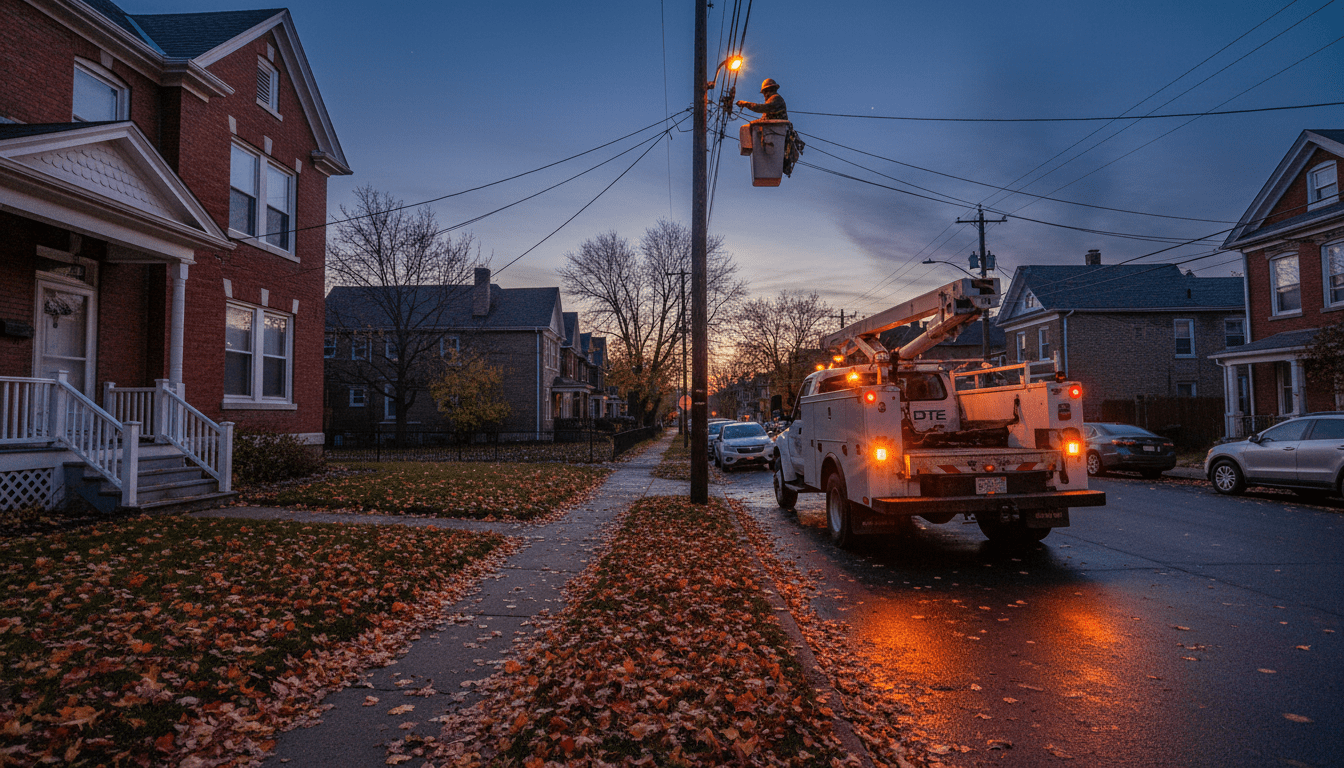
While utility crews work around the clock to restore service whenever the grid goes down, the conversation has shifted from immediate restoration to long-term prevention. Community leaders and regulatory bodies are asking tough questions about the pace of infrastructure upgrades in Detroit’s oldest neighborhoods compared to surrounding suburbs.
Addressing the Power Outage Detroit Crisis
The reliability of the electrical grid in Southeast Michigan has been a subject of heated debate involving DTE Energy, the Michigan Public Service Commission (MPSC), and local advocacy groups. According to data released by the Michigan Public Service Commission, the state has historically struggled with outage duration metrics compared to national averages.
DTE Energy has acknowledged these challenges and recently accelerated its four-point plan designed to harden the grid. This strategy includes aggressive tree trimming—which accounts for a significant portion of downed lines—upgrading aging poles and cross-arms, and installing smart grid technology capable of rerouting power automatically during faults.
"Our goal is to reduce outage frequency by 30% and cut restoration times in half by 2029," a DTE representative stated in a recent press briefing regarding the company’s multi-billion dollar investment roadmap. "We understand the frustration our customers feel, and we are committed to building the grid of the future."
However, for residents currently dealing with spoilage and disruption, these future promises can feel distant. The disparity in infrastructure quality often means that when a power outage Detroit neighborhood experiences hits, it can take longer to resolve due to the complexity of the older overhead systems.
Impact on Detroit Residents and Businesses
The economic toll of power instability is felt most acutely by Detroit’s small business owners and vulnerable residents. When the lights go out, restaurants are forced to discard thousands of dollars in perishable inventory, and hourly workers lose shifts.
Local business owners in the Corktown and Midtown areas have expressed concerns that repeated interruptions disrupt operations and deter foot traffic. "It’s not just about the lights going out for an hour," said one local café owner during a recent community town hall. "It’s about the uncertainty. Do we prep for the weekend rush if the forecast calls for high winds? It affects how we hire and how we buy stock."
For residential customers, particularly seniors and those relying on medical equipment, a prolonged power outage is a health safety issue. Community advocacy groups like the Citizens Utility Board of Michigan have argued that rate increases requested by utility companies must be tied strictly to performance metrics that demonstrate tangible improvements in reliability for the most vulnerable zip codes.
See more on local resilience efforts in our report on Detroit Neighborhood Resilience Programs.
Background & Data: The Cost of Modernization
The roadmap to a stable grid is expensive. DTE Energy serves 2.3 million electric customers, and the scale of the required upgrades is massive. The utility has proposed a "Grid of the Future" investment plan, aimed at preparing the infrastructure for increased electrification, including the rising demand from electric vehicles (EVs).
According to DTE’s filings, the company plans to invest over $9 billion over the next five years specifically into the distribution grid. This includes:
- Tree Trimming: Clearing branches from 3,000 to 5,000 miles of power lines annually.
- Infrastructure Renewal: Replacing poles installed before 1950.
- Automation: Installing smart reclosers that isolate outages to smaller areas, preventing a localized tree fall from knocking out power for thousands.
Despite these plans, critics argue that the pace is too slow. Reports from the Citizens Utility Board have highlighted that Michigan residents pay some of the highest rates in the Midwest while receiving below-average reliability reliability. This tension between rising costs and service quality is central to ongoing hearings at the MPSC.
What Happens Next?
As Detroit moves into seasons characterized by unpredictable weather—from severe summer thunderstorms to heavy winter ice—the pressure is on both the utility providers and city officials to mitigate risks.
The City of Detroit is also exploring ways to bolster energy independence at critical facilities. Discussions around microgrids and solar storage solutions for community hubs are gaining traction, aiming to provide safe havens during widespread outages. Read our analysis on Detroit Solar Initiatives and Microgrid Projects for deeper insight into these developments.
Ultimately, the resolution to the power outage Detroit narrative will depend on regulatory enforcement and the efficient execution of modernization projects. Residents are encouraged to report outages immediately via the DTE app and attend MPSC public hearings to voice their concerns regarding rate cases and infrastructure priorities.
For now, Detroiters remain resilient, keeping flashlights handy while demanding the modern, reliable infrastructure the city deserves.