As utility costs continue to fluctuate and household budgets tighten across Wayne County, the demand for Michigan energy bill assistance has become a focal point for both state officials and local advocacy groups. With winter heating seasons imposing significant financial strain on Detroit’s working-class families and seniors, understanding the landscape of available aid has never been more critical.
Data from the Michigan Department of Health and Human Services (MDHHS) indicates that thousands of households in the metro Detroit area utilize state-sponsored relief programs annually to maintain service. However, awareness remains a hurdle. As DTE Energy and Consumers Energy navigate rate adjustments and infrastructure investments, community leaders are urging residents to proactively seek out established support networks before falling into arrears.
The Current Landscape of Utility Costs in Detroit
Detroit presents a unique challenge regarding energy consumption. According to a report by the American Council for an Energy-Efficient Economy (ACEEE), Detroit has some of the highest ‘energy burdens’ in the nation. An energy burden is defined as the percentage of gross household income spent on energy costs. In many Detroit neighborhoods, residents are paying a significantly higher portion of their income toward utilities compared to the national average.
This disparity is often driven by the city’s aging housing stock. Many historic homes in neighborhoods like Boston-Edison, Bagley, and Jefferson Chalmers lack modern insulation and energy-efficient windows, leading to heat loss and higher monthly statements. Consequently, the need for effective Michigan energy bill assistance is not just a matter of financial aid but also one of housing infrastructure.
For more context on how local infrastructure impacts daily living costs, readers can explore our coverage on the Detroit housing market and renovation challenges.
Key State Programs: SER and MEAP
The backbone of utility relief in the state is the State Emergency Relief (SER) program. Administered by the MDHHS, this program provides immediate help to households facing a crisis, such as a shut-off notice or a dangerously low fuel supply. Officials state that the program is designed as a safety net to prevent homelessness and health risks associated with lack of heat or electricity.
Once a household is approved for SER, they may become eligible for the Michigan Energy Assistance Program (MEAP). Unlike the one-time nature of SER, MEAP is focused on long-term stability. The program partners with various nonprofit organizations to provide supplemental bill payment assistance and, crucially, energy self-sufficiency services. These services often include budgeting coaching and vendor advocacy.
According to the Michigan Public Service Commission (MPSC), the goal of integrating these programs is to move residents from a state of crisis to a state of manageability. The MPSC emphasizes that residents should not wait until a service disconnection has occurred to seek help, as early intervention provides more options for payment plans and protection.
Impact on Detroit Residents and Vulnerable Populations
The impact of these programs on Detroit’s seniors and low-income families is substantial. Local community organizers have pointed out that without Michigan energy bill assistance, many residents would be forced to make impossible choices between buying groceries, purchasing medication, or keeping the lights on.
Specifically, the Home Heating Credit is a vital component for many Detroiters during tax season. The Michigan Department of Treasury processes these claims to help offset winter heating costs. Eligibility is based on income and the number of exemptions claimed, and notably, residents do not need to file a standard state income tax return to apply for this specific credit.
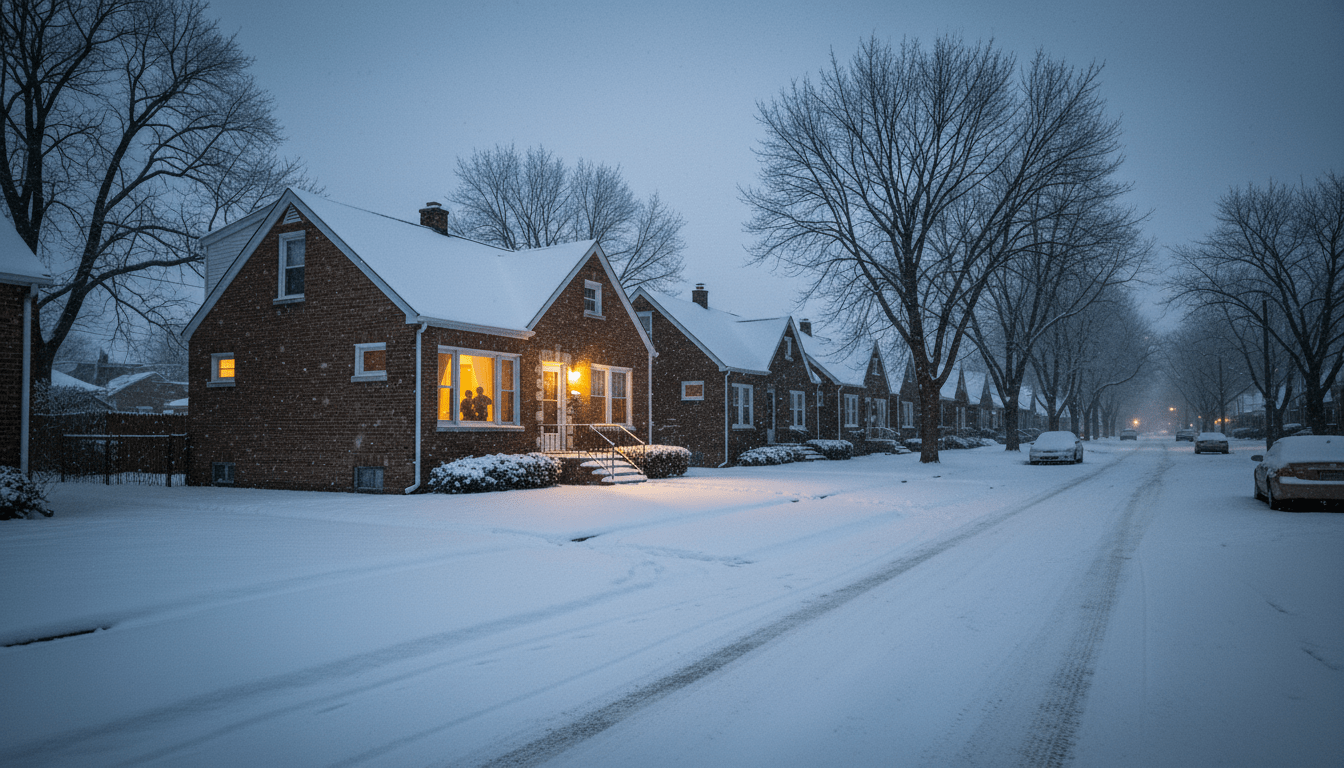
Furthermore, protection plans exist specifically for seniors and low-income residents. The Winter Protection Plan (WPP) protects eligible seniors and vulnerable customers from service shut-offs and high utility bill payments during the heating season (November 1 through March 31). While customers are still responsible for the electricity and natural gas used, the plan prevents the immediate loss of service during freezing temperatures.
This relates closely to broader economic trends affecting the city. For a deeper dive into the financial pressures facing locals, see our report on the Detroit economy and cost of living adjustments.
Weatherization: A Long-Term Solution
While bill assistance provides immediate financial relief, local government agencies are increasingly pointing toward weatherization as the sustainable solution for Detroit’s energy burden. The Weatherization Assistance Program (WAP) is a federally funded initiative administered by the state that provides free energy conservation services to eligible low-income households.
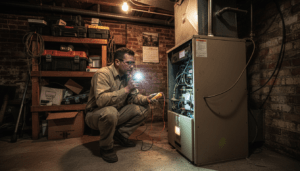
For a Detroit homeowner, this could mean the installation of attic insulation, wall insulation, and draft reduction measures at no cost. By reducing the energy load of the home, the need for recurring financial assistance decreases. Local contractors involved in these programs have noted that a fully weatherized home can see heating costs drop by a significant margin, directly impacting the disposable income of the residents.
How to Access Michigan Energy Bill Assistance
Accessing these funds requires navigating the state’s MI Bridges system. MDHHS officials encourage residents to apply online for the quickest processing, though paper applications are available at local county offices. To apply for SER, residents generally need proof of income, details of their assets, and a copy of the utility bill or shut-off notice.
Utility companies like DTE Energy also offer their own payment specific programs, such as the Low Income Self-Sufficiency Plan (LSP), which allows eligible customers to pay a fixed monthly amount based on income and usage, with the remaining portion of the bill covered by energy credits.
Documentation Required
Applicants usually need to provide:
- Recent pay stubs or proof of benefit income (Social Security, SSI, etc.).
- Identity verification (Driver’s license or State ID).
- Current utility statements showing the balance or shut-off status.
Future Outlook
As Detroit moves toward a greener economy, the conversation around energy equity is evolving. Policy advocates are pushing for expanded eligibility for Michigan energy bill assistance and more robust funding for weatherization to match the scale of Detroit’s older housing inventory. With federal funds from recent infrastructure bills trickling down to the state level, there is cautious optimism that the gap between energy costs and affordability can be narrowed for the city’s most vulnerable residents.