DETROIT — As the city continues its trajectory of economic revitalization, officials and hospitality experts are flagging 2026 as a pivotal year for Detroit tourism. Following the successful hosting of the 2024 NFL Draft and continued investment in downtown infrastructure, the Detroit Metro Convention & Visitors Bureau (Visit Detroit) and city planners are projecting a significant surge in visitor numbers, anchored by a blend of newly completed mega-projects and revitalized cultural staples.
While the narrative of Detroit’s comeback has been circulating for a decade, 2026 marks the convergence of several long-term capital projects. From the ambitious transformation of the riverfront to the historic reopening of Michigan Central, the landscape of the city is offering a distinct roster of destinations that travel analysts suggest will define the region’s appeal for the next decade.
The Evolving Landscape of Detroit Attractions
According to recent reports from the Detroit Metro Convention & Visitors Bureau, the strategy for 2026 relies on a “destinations within a destination” approach. The projected top 10 attractions for the 2026 season highlight a shift from purely industrial heritage to a mix of green space, high-tech experiences, and arts culture.
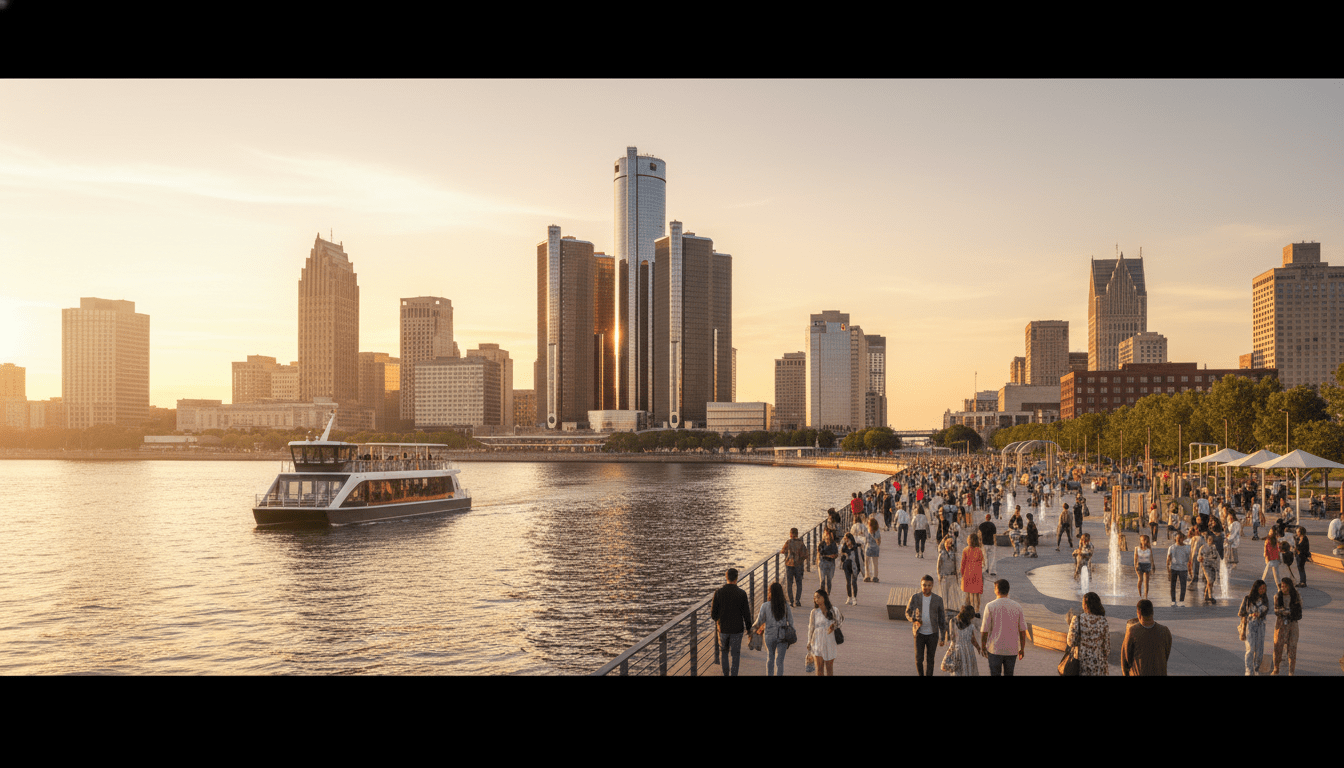
Leading the list of anticipated draws is the Ralph C. Wilson Jr. Centennial Park. Currently transforming the West Riverfront, this 22-acre site is expected to be fully operational and matured by 2026, serving as a massive recreational anchor. “The completion of the Centennial Park is not just a park opening; it represents the final link in a world-class waterfront that rivals Chicago or Toronto,” noted a spokesperson for the Detroit Riverfront Conservancy in a recent press briefing.
Simultaneously, the skyline itself is becoming an attraction. The development at the former Hudson’s Site, which includes mixed-use space and a public observation area, is poised to offer views of the city that have been unavailable for decades. This joins the Detroit International RiverWalk, recently named the best in the nation by USA Today readers, as a primary driver of foot traffic.
Historic preservation remains a core pillar of Detroit tourism. Michigan Central, the Ford-restored train station in Corktown, has transitioned from a symbol of decay to a hub of innovation and retail, drawing international architecture enthusiasts. Similarly, the Motown Museum, following its massive expansion, and the Detroit Institute of Arts (DIA) continue to anchor the cultural corridor in Midtown.
Other key sites rounding out the projected top ten for 2026 include the bustling Eastern Market, the island oasis of Belle Isle Park, the culturally significant Charles H. Wright Museum of African American History, the immersive Henry Ford Museum of American Innovation (Dearborn), and the artistic enclave of the Heidelberg Project, which continues to evolve under new stewardship models.
Impact on Detroit Residents
While the influx of visitors boosts the hospitality sector, the focus on tourism infrastructure has raised questions regarding benefits for long-term residents. City officials maintain that the tax revenue generated from heightened hotel occupancy and spending is funneled back into neighborhood services.
“The goal is not just to build things for visitors, but to create assets that Detroiters use 365 days a year,” stated a representative from the City of Detroit Planning and Development Department. Residents have seen tangible improvements in public spaces, such as the riverfront parks and the Dequindre Cut, which serve as dual-purpose infrastructure for both locals and tourists.
However, concerns regarding traffic congestion and the rising cost of living in neighborhoods adjacent to these attractions, particularly in Corktown and Midtown, remain a topic of discussion at city council meetings. For more on how development affects housing, read our coverage on Detroit development updates and neighborhood zoning changes.
Background & Data
Data from the U.S. Census Bureau and local economic analyses indicate that the hospitality industry in Southeast Michigan is recovering faster than the national average post-pandemic. In 2023 alone, the region welcomed over 17 million visitors who spent an estimated $9 billion. Projections for 2026 suggest visitor numbers could top 20 million, driven largely by the diversification of attractions.
This growth is supported by increased hotel capacity. Several boutique hotels and large-scale chains have broken ground or renovated historic properties downtown to meet the anticipated demand. This construction boom has also stabilized construction employment numbers in the county.
What Happens Next
As 2026 approaches, the City of Detroit is focusing on connectivity. Improving public transit options, including the People Mover and QLINE integration, is critical to ensuring that the top attractions are accessible without relying solely on passenger vehicles.
Furthermore, the city is preparing for the completion of the Gordie Howe International Bridge, which is expected to streamline cross-border travel with Canada, potentially opening a new corridor for international Detroit tourism. Local business owners are already pivoting strategies to capture this new market. For insights on the local economic landscape, see our report on local business trends in Detroit.