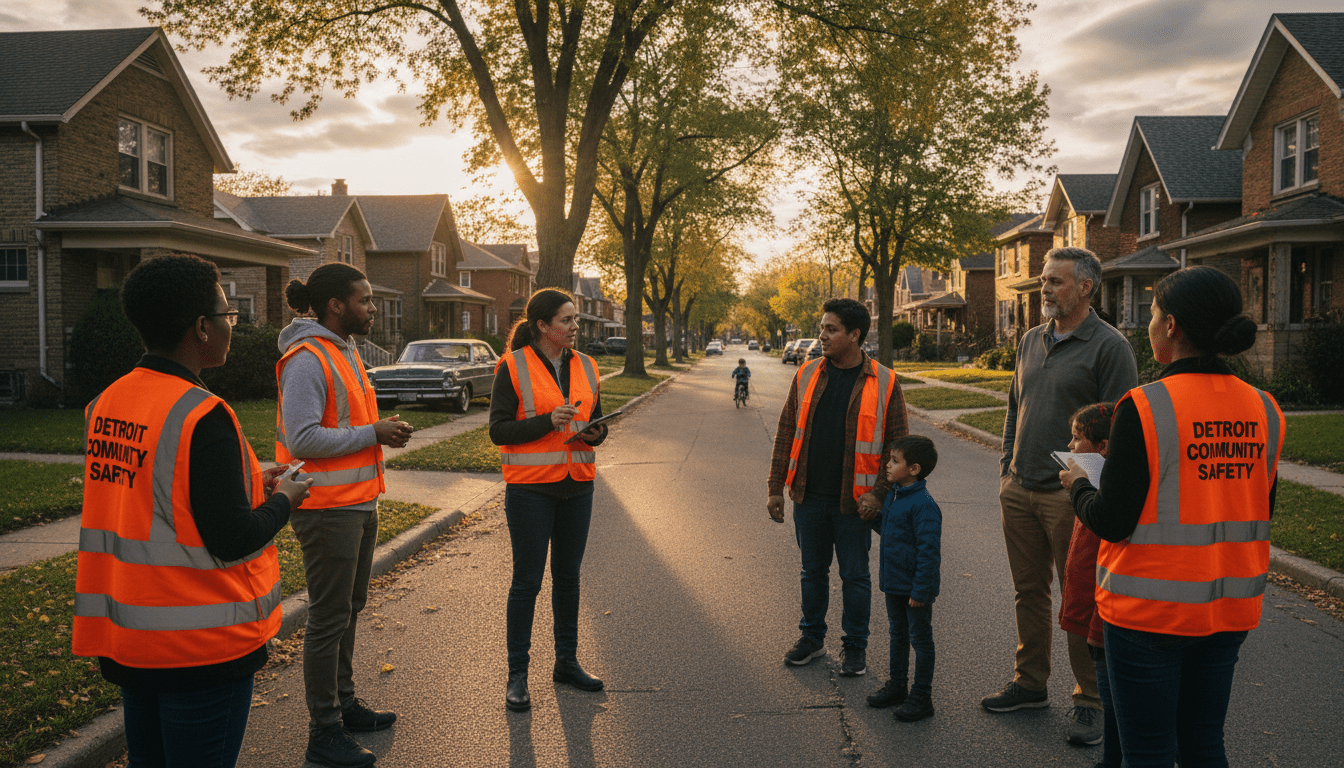
The City of Detroit is taking a significant step toward institutionalizing community violence intervention (CVI) with the formal establishment of the Detroit Office of Neighborhood Safety. This new municipal division marks a strategic pivot in public safety policy, moving beyond traditional law enforcement to empower residents and local organizations as the primary mediators in conflict resolution.
Mayor Mike Duggan and Deputy Mayor Todd Bettison recently outlined the scope of the office, emphasizing that the initiative is designed to codify the successes seen in pilot programs like ShotStoppers. By integrating community-led safety strategies directly into the city government’s infrastructure, officials aim to ensure these programs survive beyond temporary grant cycles.
A Shift in Public Safety Strategy
For decades, public safety in Detroit has been synonymous with the Detroit Police Department. However, the creation of the Detroit Office of Neighborhood Safety signals a recognition that police cannot be the sole answer to interpersonal conflict.
According to the City of Detroit, the office will oversee the distribution of contracts and resources to community groups that specialize in violence interruption. These groups employ “violence interrupters”—often respected community members with past street credibility—to de-escalate tensions before they turn into shootings.
“We are building an ecosystem of safety that relies on the people who know these neighborhoods best,” Deputy Mayor Bettison stated during a recent press briefing. “The police have a job to do, but our residents have the relationships necessary to stop violence before a 911 call is ever made.”
This approach mirrors successful models in cities like Newark and Baltimore, where offices of neighborhood safety have operated alongside police departments to reduce homicide rates significantly.
Impact on Detroit Residents
For residents living in neighborhoods historically plagued by gun violence, the operational shift of the Detroit Office of Neighborhood Safety offers a tangible change in how disputes are handled. Instead of a patrol car arriving after an incident, residents in designated CVI zones may see community mediators engaging with at-risk youth or intervening in neighborhood disputes.
This impacts daily life in several ways:
- Conflict Mediation: Residents have access to neutral parties to resolve disputes regarding territory, interpersonal beefs, or domestic issues without involving the criminal justice system.
- Resource Connection: The office acts as a bridge, connecting at-risk individuals with job training, mental health services, and housing support—issues often cited as root causes of crime.
- Trauma Support: CVI groups often provide immediate support to families affected by violence, helping them navigate the aftermath of a shooting.
Local activists have long called for this type of investment. “It changes the dynamic from enforcement to support,” said a representative from a local CVI organization involved in the initial pilot phases. “When the community sees their own neighbors leading the safety effort, trust is rebuilt.”
For more context on how the city is addressing root causes of instability, readers can look at recent Detroit housing development initiatives that aim to stabilize neighborhoods alongside these safety efforts.
Background and Data: The ShotStoppers Foundation
The Detroit Office of Neighborhood Safety is built upon the foundation of the ShotStoppers program, which launched using American Rescue Plan Act (ARPA) funds. Under this performance-based model, community groups were awarded contracts to lower homicides and shootings in specific zones.
Data released by the city suggests the approach is working. In several ShotStoppers zones, reductions in violent crime outpaced the citywide average. For example, Force Detroit and other participating groups reportedly contributed to double-digit percentage drops in fatal and non-fatal shootings in their respective areas over the last year.
The transition to a permanent office means moving funding from temporary federal relief dollars to the city’s general fund. This is a critical step for sustainability. While ARPA provided a $10 million initial investment, the permanent office will require consistent municipal budgeting to maintain staffing and grants for partner organizations.
Integrating with Local Infrastructure
The success of the Detroit Office of Neighborhood Safety depends heavily on collaboration. It is not operating in a silo. The office is expected to work closely with the Detroit Police Department, ensuring that while the strategies differ, the goals remain aligned. Police Chief James White has previously expressed support for the CVI model, acknowledging that police cannot solve the issue of violence alone.
Furthermore, the office will coordinate with other city departments. Improving safety is inextricably linked to improving infrastructure. As noted in our coverage of Detroit transportation and lighting updates, well-lit streets and accessible transit are force multipliers for neighborhood safety.
What Happens Next?
The city is currently in the process of finalizing the leadership structure for the office and establishing long-term metrics for success. Unlike traditional policing, which measures success often by arrests made and guns seized, the Detroit Office of Neighborhood Safety will be judged on what doesn’t happen: shootings prevented and lives saved.
Critics and proponents alike will be watching closely to see if the statistical successes of the pilot programs can be maintained as the initiative scales citywide. Transparency in data reporting will be essential to maintaining the public trust that the office is designed to build.
As the office becomes fully operational later this year, Detroit residents can expect to see a more visible presence of “safety ambassadors” and community organizers working street-level to keep the peace.