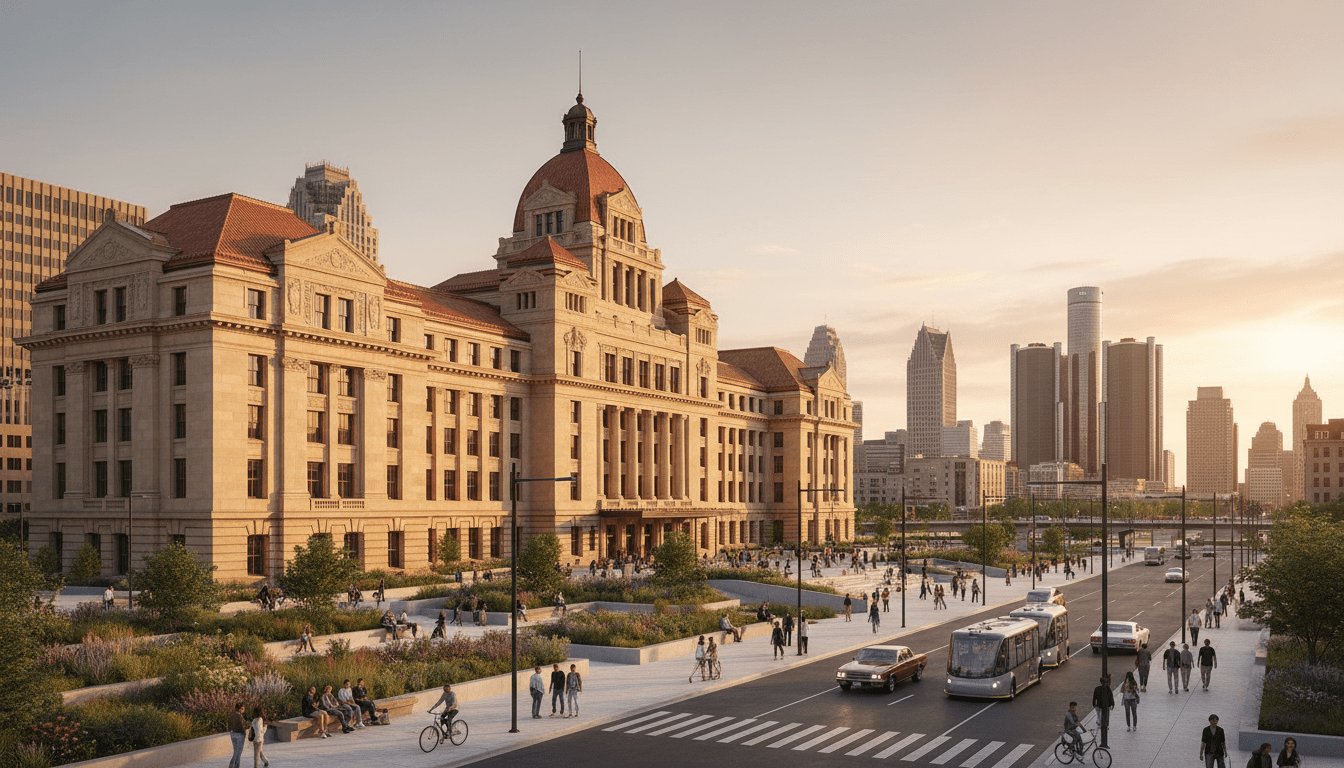
The landscape of Detroit is undergoing a visible transformation, nowhere more apparent than in the corridor connecting the historic Corktown neighborhood with the bustling activity of Midtown. Driven by multi-billion dollar investments from major corporate anchors and targeted city initiatives, the Midtown and Corktown revitalization efforts are reshaping the city’s economic geography, creating a denser, more connected urban core.
While Downtown Detroit has long been the headline of the city’s resurgence, the momentum has decisively shifted outward. According to recent reports from the Detroit Economic Growth Corporation (DEGC), development activity in these adjacent neighborhoods is creating a ripple effect that extends beyond simple aesthetics, impacting housing density, local commerce, and infrastructure.
The Anchor Effect: Michigan Central and Beyond
The centerpiece of the current development wave is undoubtedly Ford Motor Company’s restoration of Michigan Central Station in Corktown. What stood for decades as a symbol of decline has reopened as a hub for mobility innovation. However, the impact of this project extends far beyond the station’s lobby.
Local urban planners note that the station has acted as a catalyst for surrounding real estate. “When you drop a project of that magnitude into a neighborhood, it validates the market for everyone else,” said a representative from a local development firm involved in mixed-use projects along Michigan Avenue. “It bridges the gap between speculation and tangible economic activity.”
In parallel, Midtown continues to densify. Home to Wayne State University and the Detroit Medical Center, Midtown has maintained a lower vacancy rate than many other parts of the city. The current phase of development focuses on filling in the “missing teeth” of the urban fabric—converting surface parking lots into mixed-use residential buildings. This strategy aligns with the city’s goal to increase walkable density, reducing reliance on vehicles for residents who work in the greater downtown area.
Housing and Infrastructure Growth
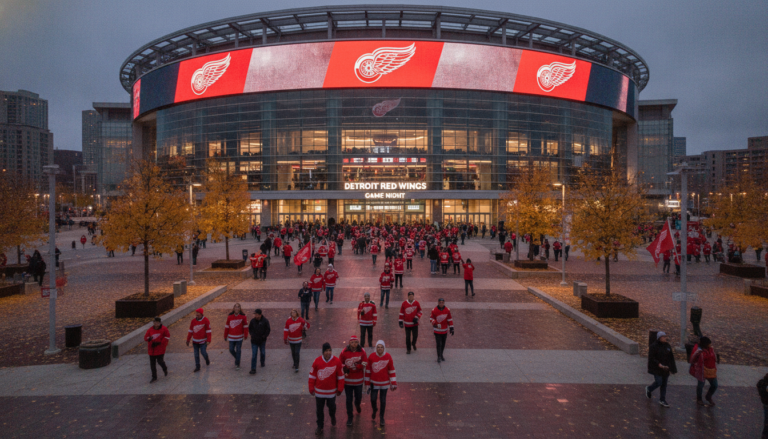
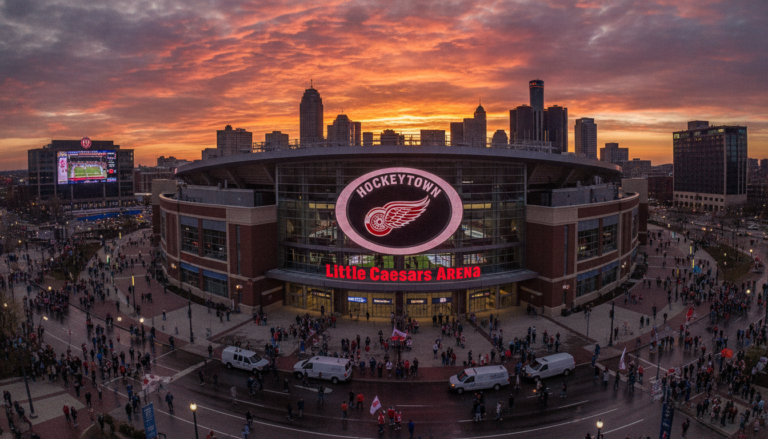
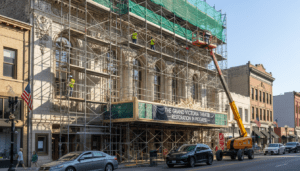
A critical component of the Midtown and Corktown revitalization is the surge in residential inventory. Data from the City of Detroit’s Housing and Revitalization Department indicates that hundreds of new units have come online in the last 24 months, with significantly more in the pipeline. This includes high-profile projects like The Godfrey Hotel and adjacent apartments in Corktown, and the ongoing expansion of residential options near the Little Caesars Arena.
See more on local housing trends in our report on Detroit’s evolving real estate market.
Infrastructure improvements are keeping pace with vertical construction. The redesign of Michigan Avenue, aimed at accommodating autonomous vehicles and improved transit, is designed to physically link Corktown more seamlessly with the downtown core. Similarly, the expanding greenway networks are providing non-motorized connections that residents have requested for years.
Impact on Detroit Residents
For long-time Detroiters, the rapid pace of change brings a mix of optimism and caution. The primary concern remains affordability. As property values rise in response to the Midtown and Corktown revitalization, anxiety regarding displacement persists.
To mitigate this, the City of Detroit has enforced strict affordability mandates for developers seeking tax incentives. Under current ordinances, developers receiving public subsidies must set aside at least 20% of units for residents earning 80% or less of the Area Median Income (AMI).
“The goal is growth without exclusion,” stated a city planning official during a recent community meeting. “We are seeing new grocery stores and amenities that benefit everyone, but we must remain vigilant that the people who stuck it out in these neighborhoods can afford to shop there and live there.”
Small business owners in the area report a shifting demographic. Restaurants in Corktown, once reliant on weekend sporting traffic, are seeing more consistent weekday foot traffic from the influx of office workers and new residents. This economic stability is crucial for the survival of local entrepreneurship.
Economic Data and Future Outlook
The numbers illustrate a stabilizing market. Commercial vacancy rates in Corktown have dropped significantly since the Michigan Central announcement. Furthermore, the growth of small business grants has helped local startups fill retail spaces in Midtown, creating a more vibrant street level experience.
Key Development Statistics
- Investment Volume: Over $2.5 billion projected in the greater downtown area over the next five years.
- Residential Units: Midtown has seen a 15% increase in rental inventory since 2020.
- Retail Occupancy: Ground-floor retail vacancy in Corktown is at its lowest point in a decade.
What Happens Next?
Looking ahead, the focus will likely shift to connectivity. The physical separation between Midtown and Corktown—historically divided by the Lodge Freeway and vast stretches of underutilized land—is being addressed through better transit links and pedestrian bridges. The “District Detroit” proposal, though having faced delays, remains a significant part of the master plan to stitch these neighborhoods together.
As the Midtown and Corktown revitalization matures, the test will be sustainability. Can the market absorb the high-end units? Will the affordability mandates be sufficient? For now, the cranes in the sky suggest that investors are betting heavily on Detroit’s continued rise.