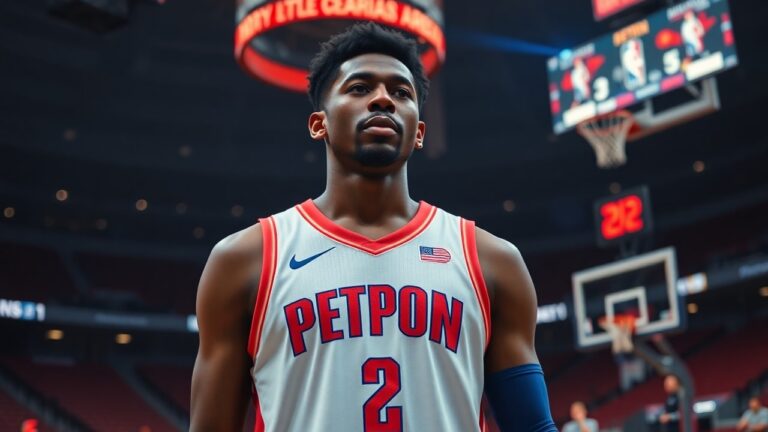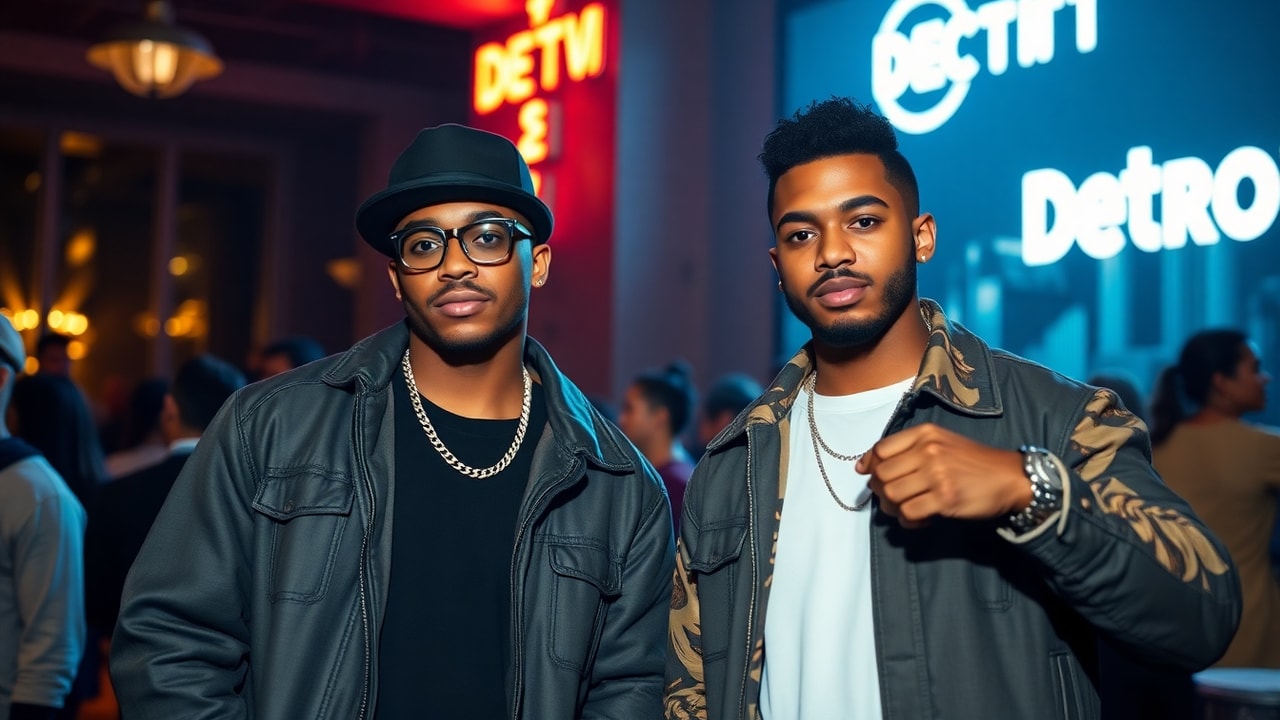
What started as a style-forward meetup has become a noticeable thread in Detroit’s cultural calendar. At Pindown I, two Detroit-area creatives—Ebuka Okorie and Tyler Metcalf—were among the standouts for their sharp, street-ready looks that blended everyday comfort with deliberate details, capturing the kind of fashion conversation that locals have been having more often in recent years: how people dress, where they show up, and what “Detroit fashion” can look like beyond a single runway moment.
In photos shared from the event and in the hallway conversations that followed, Okorie and Metcalf’s outfits drew attention for their clean silhouettes and high-contrast styling—an approach that reads as both practical for Detroit weather and expressive for a crowd that values individuality. The “fit check Detroit” moment wasn’t just about clothing; it was about visibility and belonging in a city where neighborhood identity and community events often move in tandem.
Ebuka Okorie and Tyler Metcalf bring a “fit check Detroit” energy
For attendees, the most memorable part of Pindown I wasn’t simply that people dressed up—it was that the styling choices felt grounded in the setting. Okorie’s look emphasized proportion and texture, while Metcalf’s styling leaned into bold yet wearable contrasts that translate well from daytime street scenes to evening hangs. Together, the two served as a visual anchor for the event’s broader mood: confident, local, and unforced.
Detroit’s fashion scene has long been shaped by music, art, and community gatherings, but recent years have also increased attention on how local events connect style with identity. “Detroit is always talking to itself—through neighborhoods, through culture, through the way people show up,” one attendee said, describing the vibe as “a real fit check, but community-first.”
Pindown I and the role of Detroit events in everyday culture
Events like Pindown I matter because they create repeatable spaces for people to meet, collaborate, and express themselves outside of purely commercial settings. For Detroit residents, local gatherings can function as informal “third spaces”—a place between home and work—where fashion becomes a form of social language.
According to the Michigan Department of Labor and Economic Opportunity, cultural activities and events can be part of broader community development strategies by drawing visitors and supporting local creative ecosystems. In practice, that means when Detroit residents show up for style-centered events, they also tend to patronize nearby businesses—coffee shops, barbershops, and restaurants—before and after.
City officials have also pointed to the importance of supporting community-driven programming. In a recent overview of city planning priorities, the City of Detroit has emphasized neighborhood-level engagement and public activity as a way to strengthen local connection and ensure residents benefit from improvements. While Pindown I is not a city program, the logic is similar: consistent community activity helps define how people experience Detroit blocks and corridors.
Impact on Detroit Residents
Fashion events might look small compared with major infrastructure headlines, but their impact shows up in everyday ways.
First, they strengthen local visibility. When creators like Ebuka Okorie and Tyler Metcalf are highlighted at Detroit events, it reinforces that local style is worth documenting—helping emerging designers, photographers, and stylists find audiences.
Second, they support nearby businesses. Detroit’s event culture often drives foot traffic. Even short gatherings can lead to additional spending at adjacent businesses—transportation rides, parking, quick meals, and retail—especially for attendees commuting from other neighborhoods.
Third, they create community momentum. When residents see familiar faces returning to events, the experience becomes more than a one-time activity. That can lead to repeat programming, collaborations, and more consistent creative output.
For residents who have been searching for ways to connect with Detroit’s cultural scene without committing to long-distance travel, “fit check Detroit” content also functions as a signal: the city has places to be, not just things to buy. That’s part of why images and recaps from Pindown I circulate—people want to know where the next moment is happening.
Background & Data: why Detroit fashion is getting more attention
Detroit’s relationship to style is deeply tied to its cultural output—music, film, art, and nightlife. While the city’s fashion narrative is always evolving, broader research shows that local creative sectors can contribute to economic resilience.
Data from the U.S. Census Bureau’s American Community Survey has been used in recent years to map how creative and arts-related employment clusters across metropolitan areas. Though those datasets don’t measure fit checks directly, they underscore a key point: creative work and creative spaces are part of how people earn a living and how communities build identity.
Detroit’s local events—especially those with a visual, social component—sit at the intersection of those forces. When attendees talk about styling decisions, they’re also engaging in the kind of cultural production that helps keep creative labor visible.
What Happens Next for Pindown I and Detroit’s style scene
After Pindown I, the next question is whether the event’s momentum translates into more recurring programming and broader participation. Organizers and attendees typically look for two things: consistency and community access—clear ways for residents to show up and contribute.
For Detroit readers, the takeaway is practical. If you’re planning to attend similar Detroit events, consider arriving early, checking local business hours nearby, and using rideshare or public transit where available. Detroit’s event traffic patterns can shift quickly, and locals who attend regularly often share timing tips in group chats and community forums.
As for Ebuka Okorie and Tyler Metcalf, their Pindown I presence has already positioned them as recognizable names in the “fit check Detroit” conversation—proof that fashion here isn’t about copying trends; it’s about making Detroit style legible, shareable, and rooted in the moment.
This report is based on event imagery and accounts shared by attendees in public Detroit community channels, alongside reporting context from city and state sources.